
How to Poop: An Ayurvedic Guide to Healthy Elimination
Digestion does not end with what you eat. It ends with what you eliminate. If the body cannot release waste efficiently, health becomes heavy, stagnant, and imbalanced.
A healthy bowel movement is not something to force or ignore. It should feel natural, complete, and easy. When elimination is smooth, the entire system functions more clearly, from metabolism to mood to energy.
Let’s talk about how to support healthy elimintation the Ayurvedic way.
Why Pooping Matters
Elimination is one of the body’s main detox pathways. When waste moves out efficiently, toxins do not linger in the system. When it does not, residue can build up and disturb digestion, circulation, and the nervous system.
In Ayurveda, this residue is called ama, a sticky, heavy byproduct of incomplete digestion. Over time, ama can contribute to:
Fatigue
Brain fog
Bloating
Skin issues
Hormonal imbalance
Sluggish digestion
Emotional heaviness
Healthy elimination keeps the body light, clear, and responsive.
What a Healthy Stool Looks Like

Ideal elimination is:
Once or twice daily
Preferably in the morning
Easy and unforced
Without urgency or strain
Well-formed but soft - like a ripe banana
Complete, with no lingering residue
Minimal gas or discomfort
Does not leave a mark on the toilet
Flushes in a single flush
Constipation, diarrhea, bloating, or irregular timing are signs that the digestive fire and elimination channels need support.
Daily Observation: Your Body’s Feedback System
Ayurveda is a science of observation before it is a system of intervention. Long before lab tests or protocols, we learn by paying attention to what the body shows us each day.
Your bowel movements are one of the most honest feedback systems you have. They reflect not only what you ate, but how you ate, how you slept, how stressed you were, and how supported your nervous system felt.
Each elimination is a conversation with your body.
Begin by noticing without judgment:
What time elimination happens
Whether it feels easy or strained
The texture and form
How often it occurs
How you feel afterward physically and emotionally
Do you feel lighter, clearer, more energized? Or sluggish, irritated, or incomplete?
This practice is not about controlling or fixing your body. It is about building relationship. When you observe consistently, patterns begin to emerge. You start to see how yesterday’s dinner, last night’s stress, or your morning pace shows up in the colon.
Awareness creates choice. Choice creates change.
What Your Stool Can Tell You

Dry, hard, or pebbly
This pattern is often linked to Vata imbalance. It may reflect dehydration, irregular meals, excessive movement or travel, chronic stress, nervous system depletion, or not enough healthy oils in the diet.
Common experiences include straining, incomplete elimination, or skipping days.
Ask:
Am I eating warm, cooked, nourishing foods?
Am I hydrating with warm liquids throughout the day?
Am I moving too fast or living without enough rhythm?
Am I getting enough rest and oil, both internally and externally?
The medicine for Vata is steadiness, warmth, oil, slowing down, moisture, and care.

Loose or urgent
This pattern is often linked to Pitta aggravation. It may reflect excess heat in the digestive tract, overstimulation, emotional intensity, alcohol, spicy or acidic foods, or a tendency to push through exhaustion.
Urgency, burning sensations, or inflammation can be signs the system is overheated.
Ask:
Am I overworking or overdoing?
Am I consuming too much spice, caffeine, or alcohol?
Am I allowing space for rest and cooling?
Do I need softer, grounding foods right now?
Pitta digestion thrives with moderation, cooling foods and practices, less spice, slowing down, and emotional spaciousness.

Heavy, Slow or Sluggish
This pattern is often linked to Kapha imbalance. It may reflect overeating, eating late at night, heavy or dense foods, improper food combinations, emotional stagnation, or a sluggish digestive fire.
Elimination may feel slow, thick, or incomplete, often accompanied by heaviness in the body or mind.
Ask yourself:
Did I eat late or beyond my hunger?
Was my food too heavy or rich for my current digestion?
Have I been moving my body enough?
Am I holding onto emotional weight or resistance to change?
Kapha digestion responds well to lightness, movement, and gentle stimulation.
Your stool is not random. It is yesterday’s story made visible.
Emotional Digestion

In Chapter 1, Verse 1 of the Aṣṭāṅga Hṛdayam, Vāgbhaṭa opens with a profound invocation honoring the healer who eradicates disease at its very origin. He names these origins as rāgādi rogān, the diseases that arise from attachment, desire, and the restless movements of the mind.
Just as disease begins in the mind’s patterns of holding on, so too does digestion begin with how we process experience, emotion, and desire. This is why, in Ayurveda, digestion is not limited to food. We digest life itself.
रागादि रोगान् सततानु सक्तान् असेष काय प्रसृतान सेशान्।
औत्सुक्य मोहारति दाञ्जघान योऽपूर्व वैद्याय नमोऽस्तु तस्मै॥“I offer my salutations to that ancient physician (Vaidya) who destroyed various diseases like passion (Rāga) and others, who healed countless bodies, and who eradicated the diseases of mind and others that come from it.”
This teaching does not say that desire is bad. Desire is part of being alive. Rather, it reminds us that when longing, attachment, aversion, or unresolved emotion take root and remain unprocessed, they gradually influence the body. What we cling to, resist, suppress, or rush past does not disappear. It seeks expression through the nervous system, the tissues, and eventually through digestion.
Ayurveda reminds us that digestion includes how we metabolize experiences, conversations, emotions, and the pace of our lives.
When stress is constant or emotions remain unprocessed, the body tightens. The nervous system stays on alert. The gut, especially the colon, struggles to let go.
Constipation can reflect holding on.
Urgency can reflect overwhelm.
Irregularity can reflect instability or a lack of safety.
These are not character flaws or personal failures. They are intelligent physiological responses to how life is being lived and processed.
The colon is especially sensitive to mental and emotional load. It is where the body completes a cycle and releases what is no longer needed. When the mind is gripping, the body often mirrors that grip.
Ask yourself gently:
What am I holding onto?
What feels unresolved?
Where am I pushing when I need to soften?
What am I ready to release?
Supporting healthy elimination often requires emotional honesty alongside dietary change. When the mind loosens its grip, the nervous system softens. When the nervous system softens, the gut remembers how to release.
In this way, healthy elimination becomes not just a digestive process, but a daily practice of letting go.
How to Poop
Simple Rituals for Better Elimination
Ayurveda works through small, consistent rhythms rather than dramatic interventions. These daily rituals create the conditions for natural elimination.
Drink a cup of warm water with lemon or lime upon waking to gently stimulate the colon
Eat meals at consistent times to train digestive rhythm
Protect your mornings from rushing, noise, and screens
Include daily movement like walking, yoga, strength training, calisthenics or hiking
Practice daily abhyanga (self oil-massage) to calm the nervous system and lubricate tissues
Eat dinner earlier and lighter than lunch to allow overnight digestion
These practices signal safety to the body. Safety allows release.
When you honor rhythm, the body remembers how to function without force.
Small rituals, practiced daily, create profound shifts in digestion, elimination, and overall vitality.
Timing Is Everything
The colon is most active between 6 and 10 am. This is the body’s natural window for elimination.
Support this rhythm by:
Waking calmly
Drinking warm water with lemon or lime
Sitting without rushing
Breathing slowly
Avoiding screens
The nervous system must feel relaxed for the bowels to release. Stress tightens the body. Relaxation allows flow.

Posture & Ease
Western toilets place the body in a position that makes elimination harder. Elevating your feet so your knees sit higher than your hips mimics a natural squat and helps the colon release more easily.
Invest in a “Squatty Potty” or use a stool to elevate your feet
Relax your jaw. Soften your belly. Let gravity and breath do the work.
Food That Supports Elimination
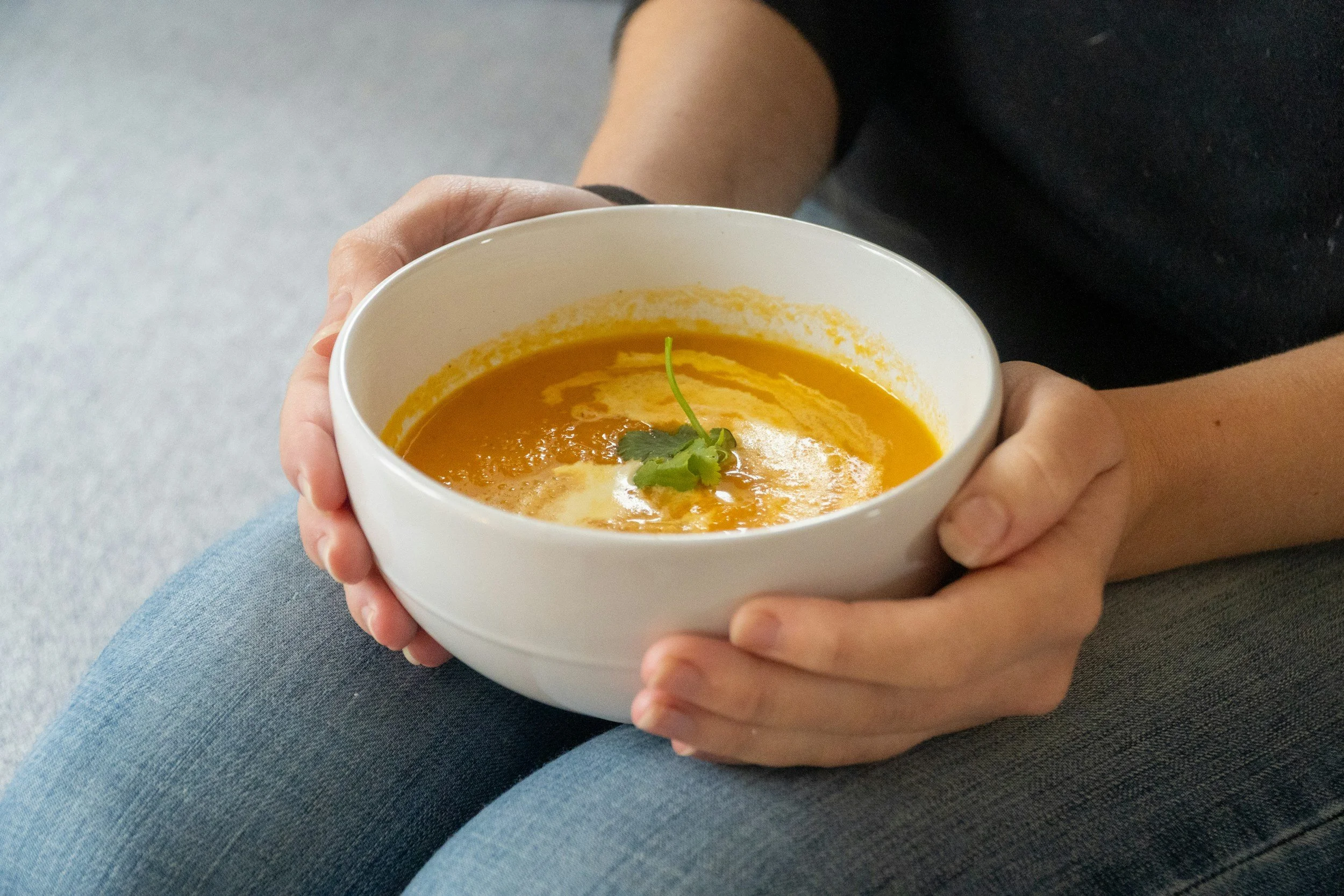
Ayurveda favors warm, moist, and grounding foods for healthy digestion.
Helpful foods include:
Stewed fruits
Oatmeal with ghee
Kitchari
Soups and broths
Cooked vegetables with digestive spices
Soaked chia or flax
Ghee and olive oil
Ghee soaked dates
Cold, dry, rushed, or overly processed foods often aggravate Vata and lead to constipation.
Warm liquids work better than cold water for stimulating bowel movement.
Herbal Support
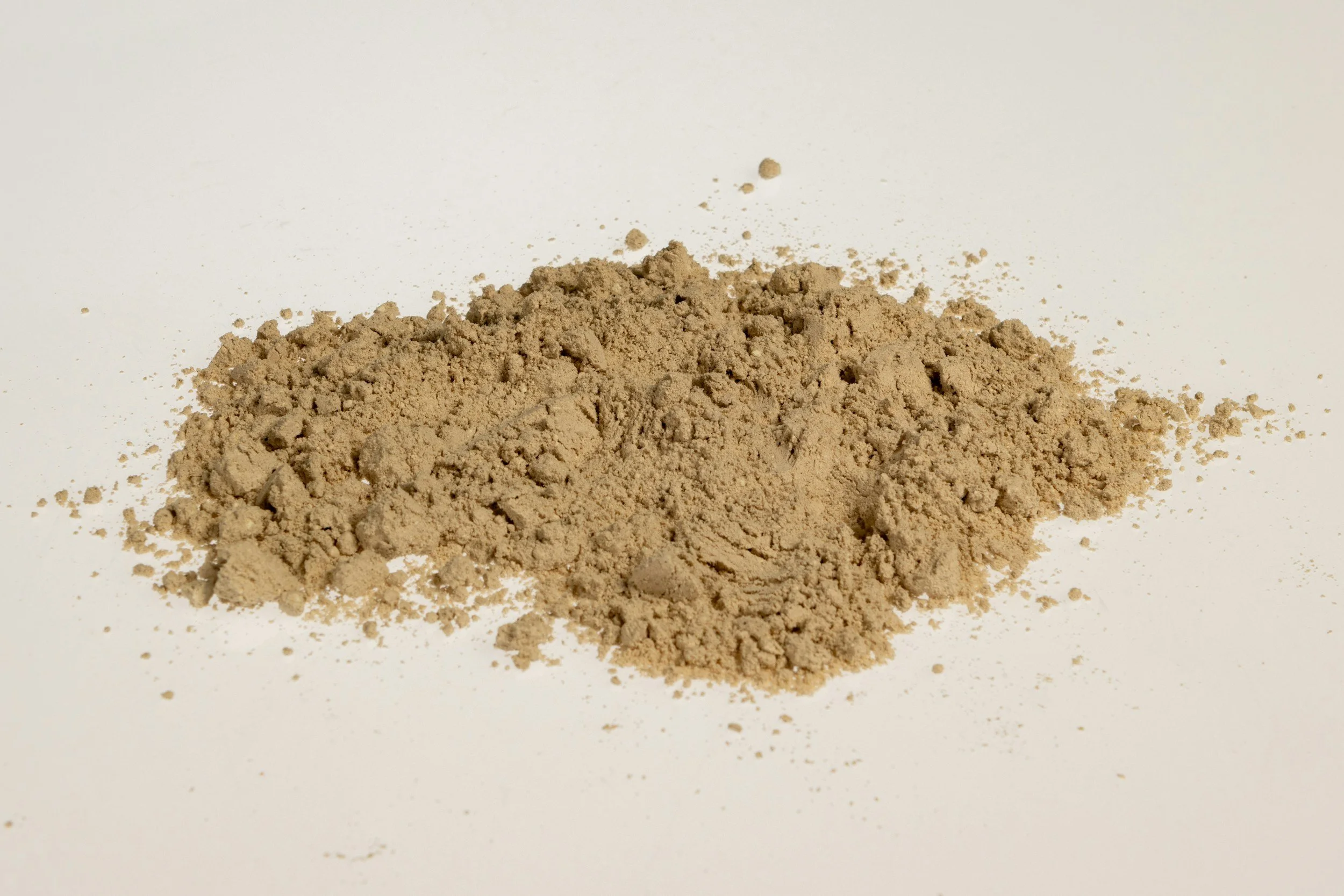
Ayurvedic herbs gently support elimination without harsh stimulation.
Common options include:
Triphala for regularity - 1/2 tsp. in the morning on an empty stomach. Note: if you are experiencing loose stools or urgency, reduce the dose to 1/8-1/4 tsp.
Psyllium husk for bulk
Licorice root for dryness
Aloe for Pitta-related heat
Hingvastak for gas and bloating
Herbs should always be personalized based on constitution and symptoms. Always consult your health care provider before taking herbs.
The Nervous System Connection
Passing stool is a parasympathetic process. That means the body needs to feel calm and safe to release.
If you are rushing, anxious, overstimulated, or disconnected from your rhythms, digestion will struggle.
Support your nervous system with:
Quiet mornings
Daily Self Oil Massage
Gentle walking
Belly breathing
Consistent sleep
When the nervous system softens, the gut follows.
Try this,
Pranayama - Breath Work

Practice daily, ideally morning and evening.
Nadi Shodhana
Follow my instructional video, LINK
Balances the nervous system and supports parasympathetic relaxation.
Apana Pranayama
Supports downward energy and bowel movement
Sit in virasana, demonstrated in the photo to the right. Sit with your knees bent while your sitting bones rest ontop of your heels. This stimulates the apana marma points (energetic points that support the downward flow of energy in the body and healthy bowels).
Inhale into the low belly.
Exhale slowly, softening the belly and relaxing the pelvic floor.
Visualize the breath descending into the earth.
Extend the exhale to be two counts longer than the inhale.
Ready to Go Deeper?
Your bowel movements, digestion, and daily rhythms offer powerful clues, but they are only one part of a much larger picture. True healing unfolds when elimination, nervous system health, emotions, and lifestyle are viewed together through a personalized Ayurvedic lens.
If you are curious about what your digestion and elimination patterns may be revealing, I invite you to schedule a free discovery call. During this call, we will explore your current rhythms, symptoms, and seasonal needs, and whether individualized Ayurvedic support is the right next step for you.
Disclaimer: Recommendations, not medical advise. The information provided in this article is for educational purposes only and is not intended to diagnose, treat, cure or prevent any disease. It is not a substitute for professional medical advice. Always consult your healthcare provider before using any herbs or supplements, especially if you have a medical condition or are taking medication. The author and publisher of this article are not responsible for any adverse reactions, effects, or consequences resulting from the use of any of the suggestions or preparations discussed in this article.