
The Face as a Living Record
What Your Face Reveals About Health, Emotion, and the Life You Have Lived
The face offers a unique window into the body, reflecting not only our health, but also the experiences, emotions, and patterns that shape us over time.
The face carries the imprint of how we have lived. It reflects the quality of our sleep, the strength of our digestion, the burden of stress, the emotions we have carried, and the thousands of expressions we have repeated throughout our lives. It reveals the state of the nervous system, the quality of circulation, the presence of inflammation, and often the emotional patterns we have held, consciously or unconsciously, over many years.
Ancient physicians understood this deeply.
In Ayurveda, the face is examined through mukha pariksha, the observation of the face as a diagnostic window into constitutional tendencies, vitality, digestion, emotional state, and deeper patterns of imbalance. In Traditional Chinese Medicine, facial mapping has long been used to understand relationships between the face and internal organ systems, circulation, and patterns of excess, deficiency, heat, stagnation, and depletion. Western medicine, though using a different framework and language, also reads the face closely. Physicians observe pallor, flushing, jaundice, dark circles, facial wasting, edema, asymmetry, skin texture, and facial expression as valuable clinical clues that may point toward underlying physiological processes.
Although each medical system describes the body differently, they all recognize a common truth:
The face is a living record of what is happening within us.
It reflects how we digest food and how we digest life. It reflects how we sleep, how we age, how we grieve, how we hold tension, how we love, and how we adapt to the many experiences that shape us over time.
Modern science increasingly supports what ancient systems of medicine long observed. Chronic stress alters collagen production, accelerates visible aging, changes vascular tone, influences inflammatory processes, and reshapes habitual muscle recruitment patterns in the face. Repeated emotional expression, over time, can become etched into our resting facial architecture. In this way, the nervous system becomes visible on the face.
Our faces are not static. They are continually shaped by physiology, experience, memory, habit, and emotion.
Perhaps nowhere is this more culturally relevant than it is today, in a time when many people are trying to erase the very lines that may hold meaningful stories of a life fully lived.
This article is not about rejecting aesthetic medicine, nor is it about romanticizing aging. Rather, it is an invitation to look more deeply, to understand that the face is far more than cosmetic surface. It is living tissue in constant communication with the whole body, reflecting our health, our history, and the ways we have moved through life.
Mukha Pariksha: Understanding the Face Through Ayurveda
Ojas, Vitality, and Constitutional Patterning
In Ayurveda, health is not only measured by the absence of disease. It is seen in radiance.
A healthy person carries a visible quality of vitality known as ojas, the refined essence of digestion, nourishment, immunity, and deep vitality. Ojas is considered the nectar of life, formed when digestion is strong, tissues are properly nourished, and the mind is relatively stable and clear.
When ojas is abundant, it is often visible on the face.
The eyes appear bright and steady.
The skin carries softness and natural moisture.
The complexion has luminosity rather than dullness.
The tissues appear well nourished.
The expression feels open, grounded, and calm.
There is something unmistakably vibrant about a person with healthy ojas. Not because they are wrinkle free, but because life is moving well through them.
When ojas is depleted, the face often changes.
The eyes may appear tired or hollow.
Dark circles may deepen.
The skin becomes dry or thin.
The complexion dulls.
Fine lines increase.
The face loses softness.
Stress becomes visible.
From an Ayurvedic lens, this depletion may arise from chronic overwork, unresolved grief, trauma, excessive stimulation, poor sleep, depletion of reproductive tissues, long term inflammation, over-cleansing, restrictive dieting, or living beyond one’s energetic capacity.
Modern physiology offers parallel explanations. Chronic activation of the stress response elevates cortisol, increases oxidative stress, disrupts sleep architecture, impairs collagen maintenance, alters immune function, and contributes to accelerated visible aging. These biological processes influence facial tissue quality, elasticity, hydration, and inflammation.
Recognizing Vata
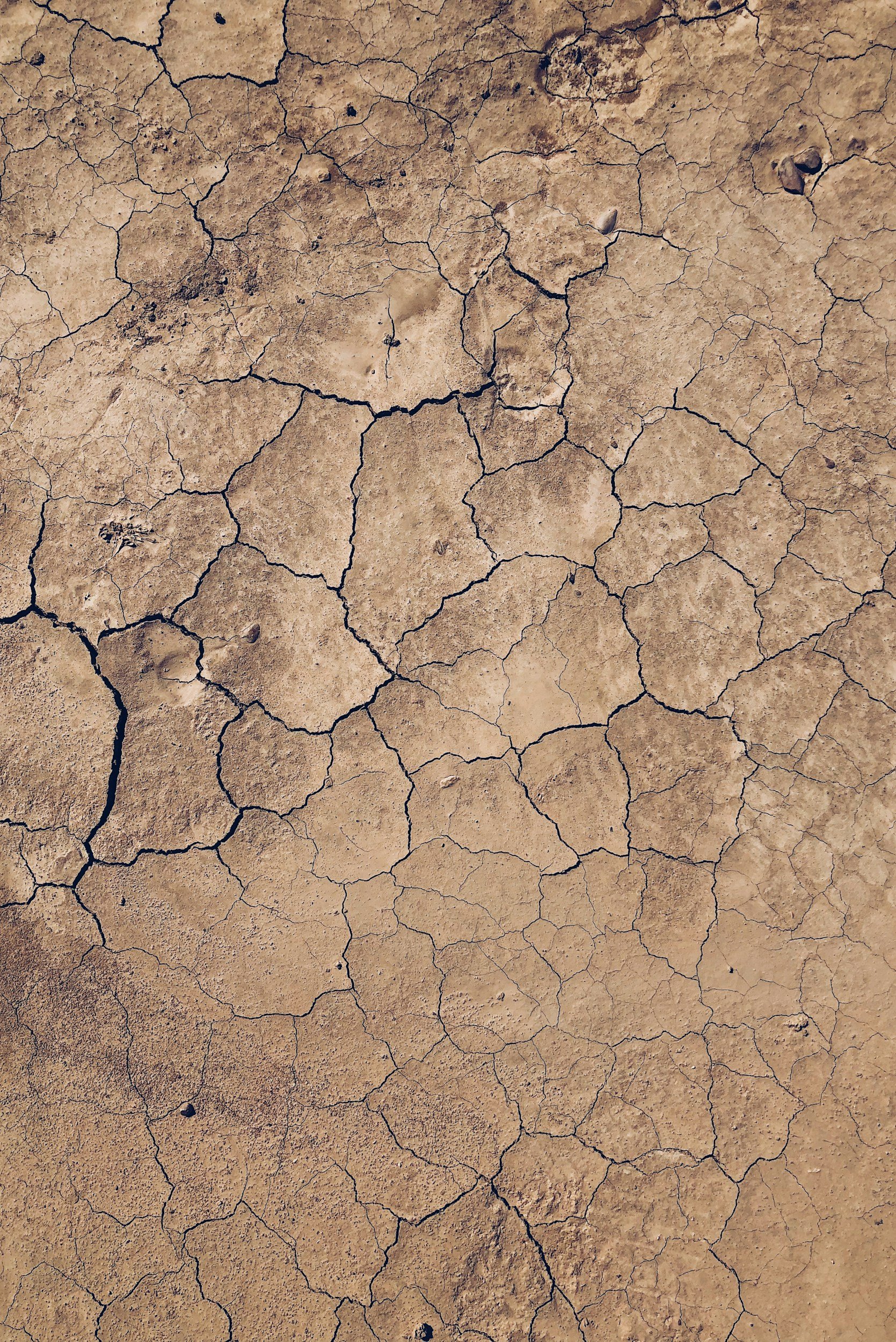
A Vata dominant or Vata aggravated face often carries qualities of air and space.
These individuals may have:
finer bone structure
thinner skin
dryness
pronounced fine lines
hollow cheeks or temples
darker under-eye circles
visible tension around the jaw or brow
asymmetry from chronic muscular guarding
Because Vata governs the nervous system, chronic fear, anxiety, hypervigilance, trauma, overstimulation, and irregular routines often show visibly in the face.
A clenched jaw.
Tight eyes.
Dry lips.
Forehead tension.
Fatigue in the gaze.
Recognizing Pitta
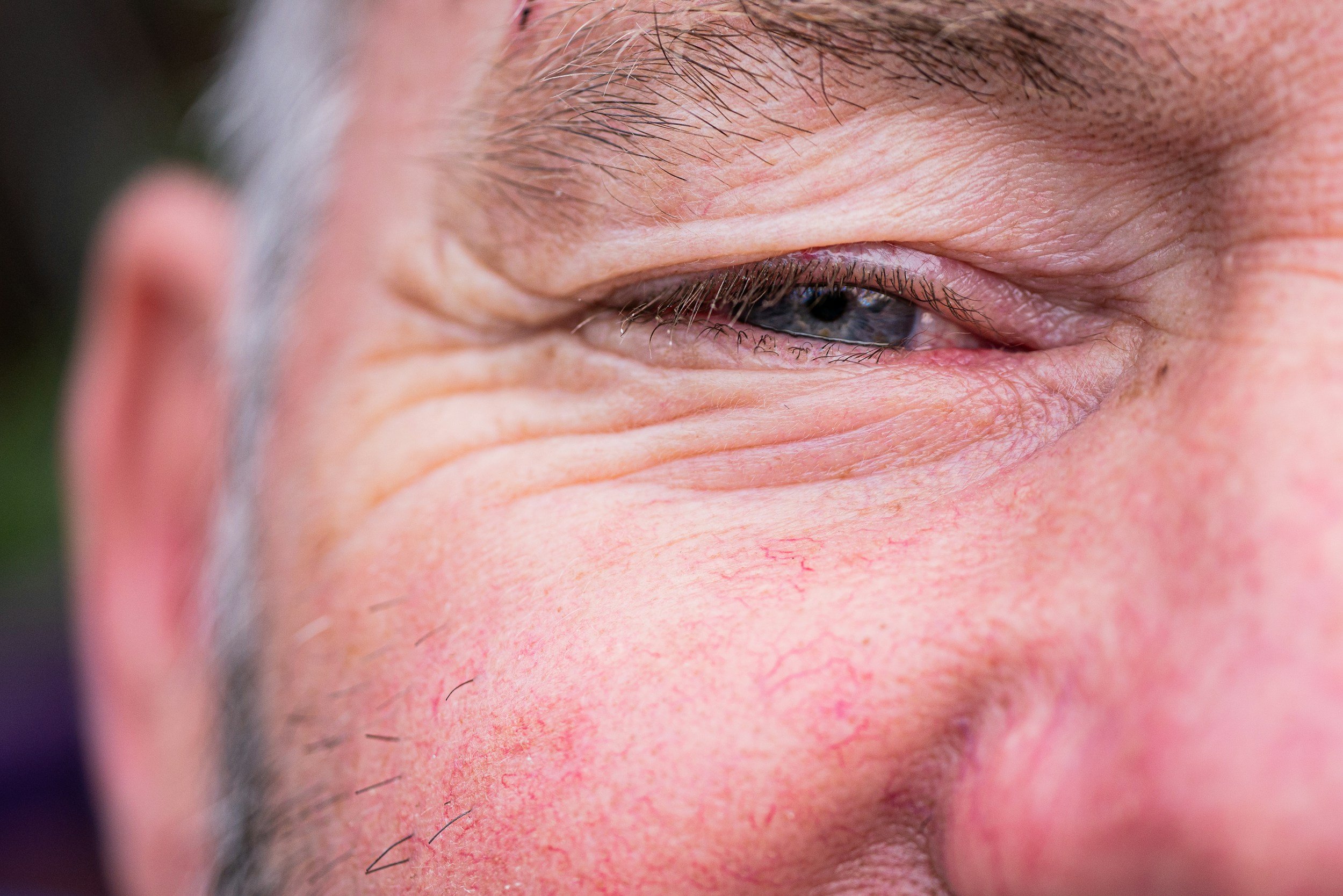
Pitta carries fire.
This may appear as:
redness
flushing
rosacea tendencies
acne
heat in the cheeks
visible vascularity
strong gaze
vertical brow lines from intensity or concentration
Pitta types often metabolize life intensely. They may carry ambition, precision, sharpness, and drive, but also frustration, irritation, overwork, and internal heat.
Heat lives visibly in tissue.

Recognizing Kapha
Kapha carries earth and water.
This may present as:
fuller facial tissues
thicker skin
puffiness
fluid retention
congestion
slower visible aging
softer contours
cystic or congestive skin patterns
Kapha often preserves youthfulness well, but when stagnant may show heaviness, swelling, congestion, lymphatic fullness, and fluid retention.
The Face Holds Emotion
If you have ever spent time observing the faces of elders, you may have noticed how deeply the face reflects the story of a life lived. Over time, the face begins to carry the imprint of our experiences, our emotions, our habits, and the ways we have moved through the world.
Smile lines may speak to years of laughter, warmth, and joy. Deep grooves across the forehead may suggest decades of mental effort, worry, or carrying significant responsibility. Frown lines can reflect grief, sadness, or repeated emotional strain, while furrowed lines between the eyebrows may reveal a history of concentration, intensity, frustration, or internalized tension.
In this way, the face becomes a kind of biography, a living record of both inner experience and outward expression.
Every emotion recruits muscles. Joy softens and lifts the face. Grief pulls downward. Anger narrows the eyes and furrows the brow. Fear widens the eyes and creates tension across the forehead. When these expressions are repeated over many years, they begin to shape the fascia, influence skin tension, alter posture, and gradually become part of one’s resting facial architecture.
We become, in part, the expressions we repeatedly embody.
Just as the face mirrors our emotional landscape, it also reflects our physical health, offering visible clues about vitality, nervous system balance, circulation, inflammation, nourishment, and the deeper physiological patterns unfolding within the body.
Forehead Wrinkles
The Story of Mental Effort, Vigilance, and Repeated Thought
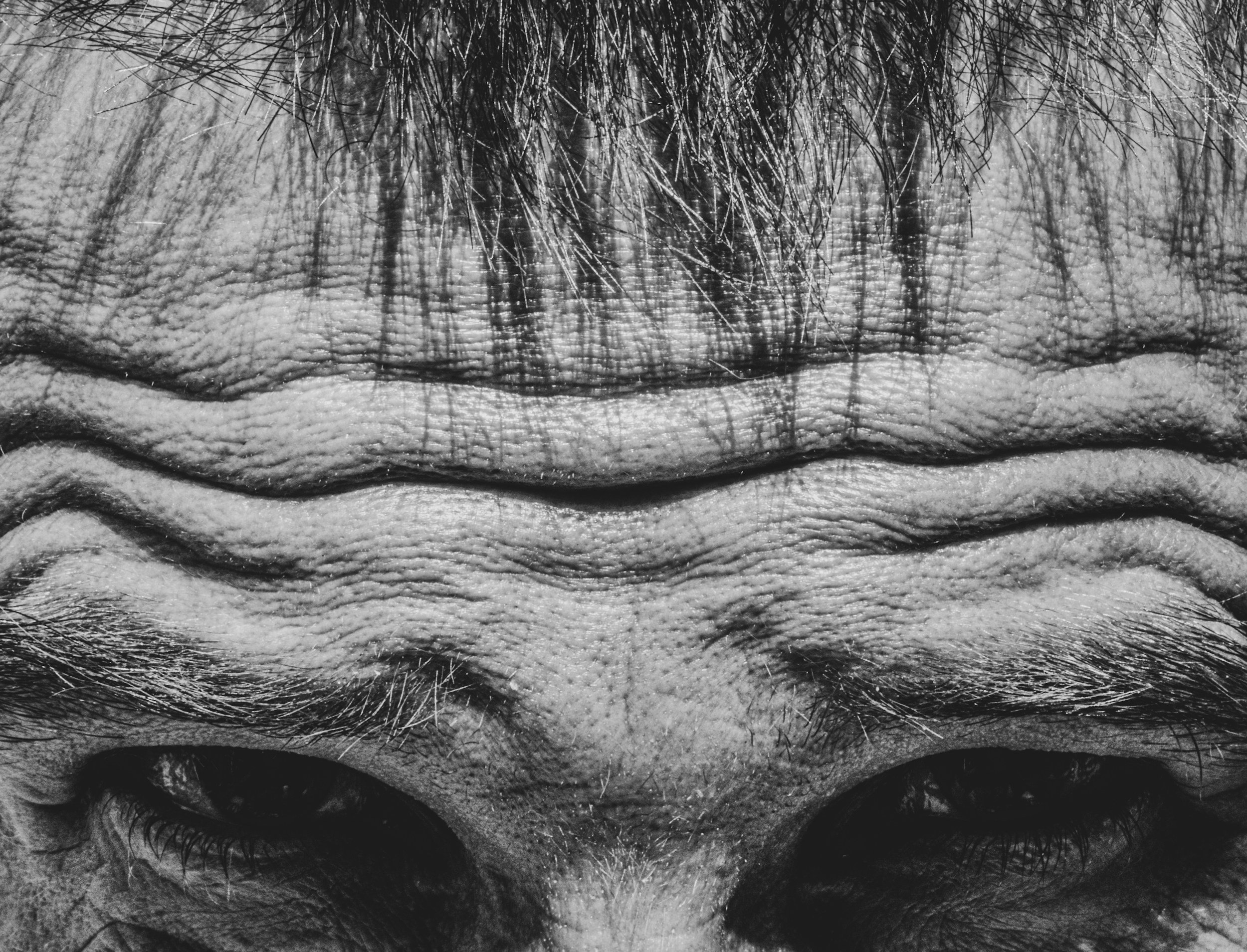
Horizontal forehead lines often develop from repeatedly lifting the brows, widening the eyes, or holding subtle tension in the forehead. This can happen with concentration, surprise, worry, chronic stress, or hypervigilance.
From a nervous system perspective, many people who have spent years in a state of high alert develop deeply held tension across the forehead. The face becomes organized around vigilance.
From an Ayurvedic lens, this may reflect elevated Vata, overactive mental movement, worry, excessive thinking, nervous system depletion, and longstanding stress.
Questions to inquire into:
Do you tend to overthink?
Have you spent long periods carrying stress?
Is your nervous system deeply rested?
Can you soften your forehead right now?
Vertical Brow Lines, "11s"
The Story of Concentration, Intensity, Frustration, and Inner Pressure
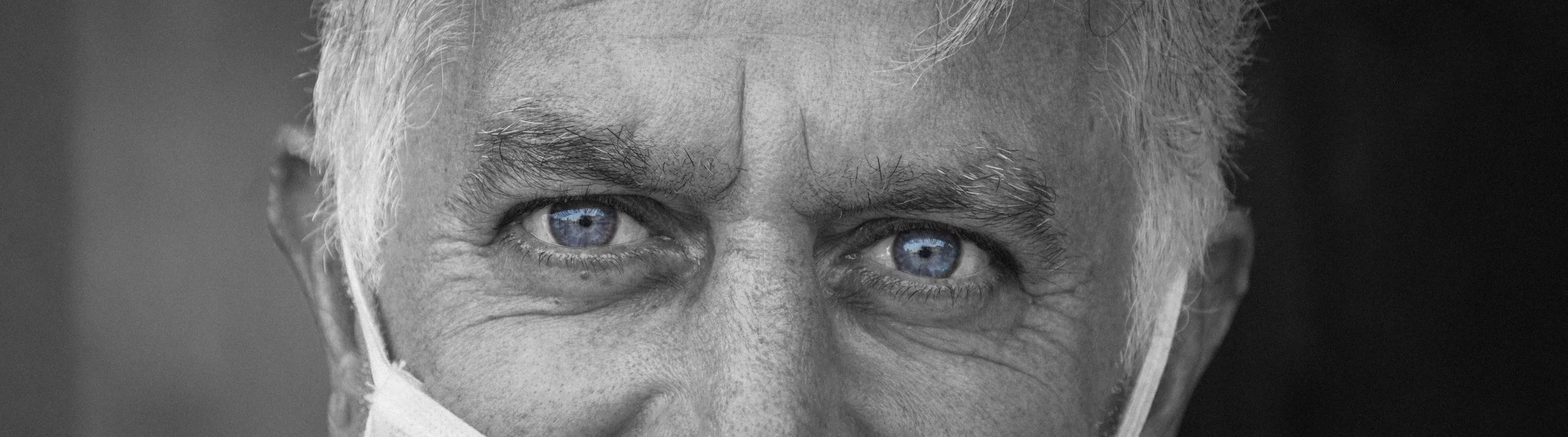
The vertical lines between the brows are often formed by repeated contraction of the corrugator muscles, drawing the eyebrows inward. This pattern commonly develops in people who focus intensely, concentrate deeply, squint often, or carry chronic tension.
These lines may also reflect:
suppressed frustration
internalized anger
perfectionism
intensity
chronic efforting
skepticism or guardedness
In Ayurvedic terms, pronounced "11s" may suggest high Pitta, especially when accompanied by redness, flushing, or inflammatory tendencies. When paired with dryness, depletion, or exhaustion, they may also reflect burned-out Vata, where strain has become chronic.
In Traditional Chinese facial mapping:
Right brow region is sometimes associated with Liver dynamics, including frustration, tension, stagnation, and stored emotional heat.
Left brow region is sometimes associated with Spleen/Stomach energetics, potentially reflecting overthinking, digestive weakness, rumination, and carrying too much mentally.
Center brow region is traditionally linked with deeper mental patterning, discernment, skepticism, guardedness, and the way one "meets life."
These are symbolic maps rather than literal diagnostics, but they can offer meaningful inquiry.
Marionette Lines
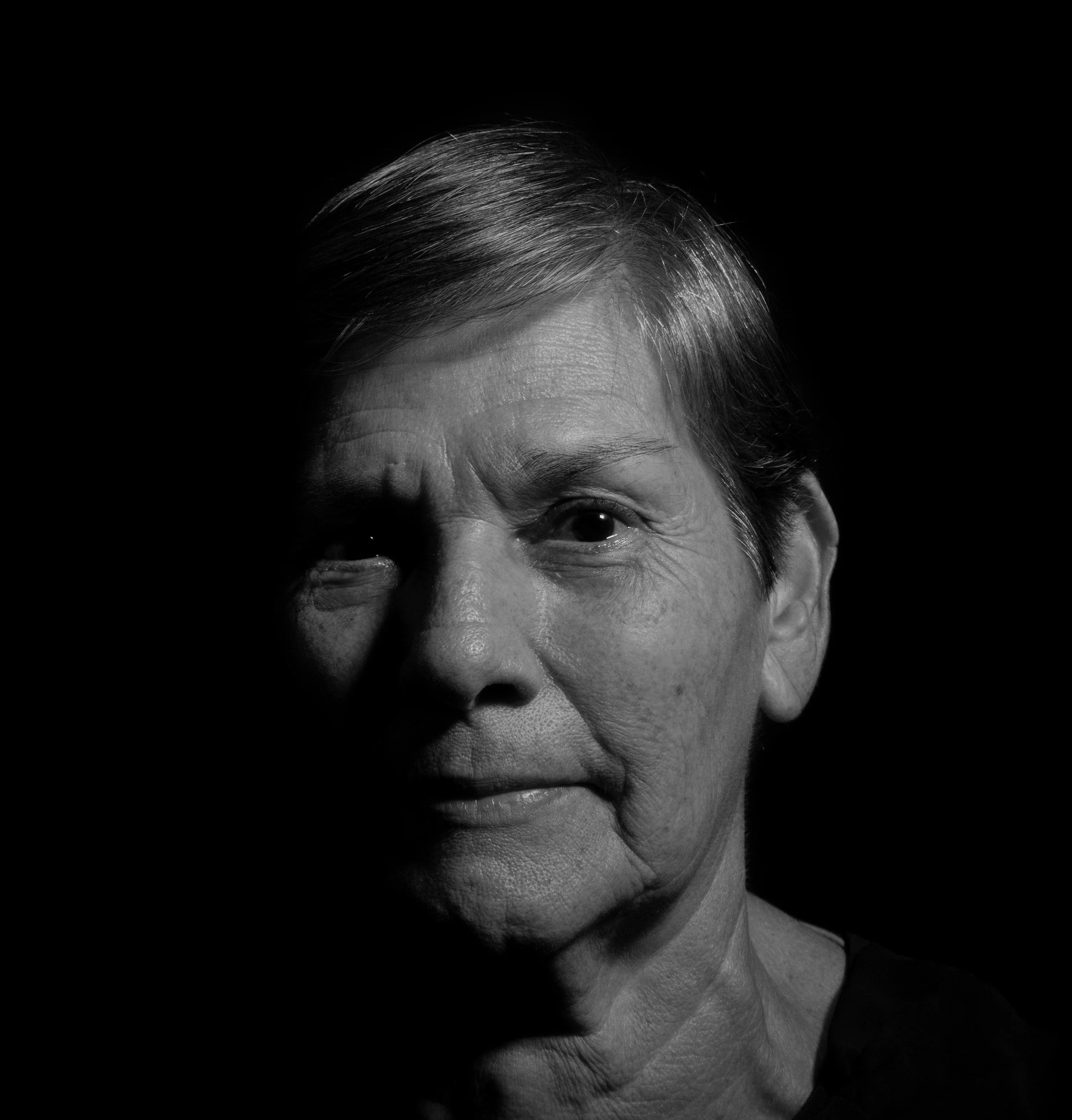
The Story of Digestion, Boundaries, and the Weight We Carry
Lines that travel downward from the corners of the mouth can form through aging, collagen changes, repetitive expression, jaw tension, and gravitational descent of facial tissue.
Energetically, these lines can sometimes reflect:
carrying emotional heaviness
chronic seriousness
grief
holding too much responsibility
suppressed expression
Some facial analysis traditions including Ayurveda associate pronounced marionette lines with digestive weakness, poor assimilation, or long-standing depletion, especially when paired with hollow cheeks, dry lips, fatigue, and digestive symptoms.
From your Ayurvedic framework, you may describe these as potential signs of:
low Agni
malabsorption
tissue depletion
Vata aggravation
low Ojas
Nasolabial Folds
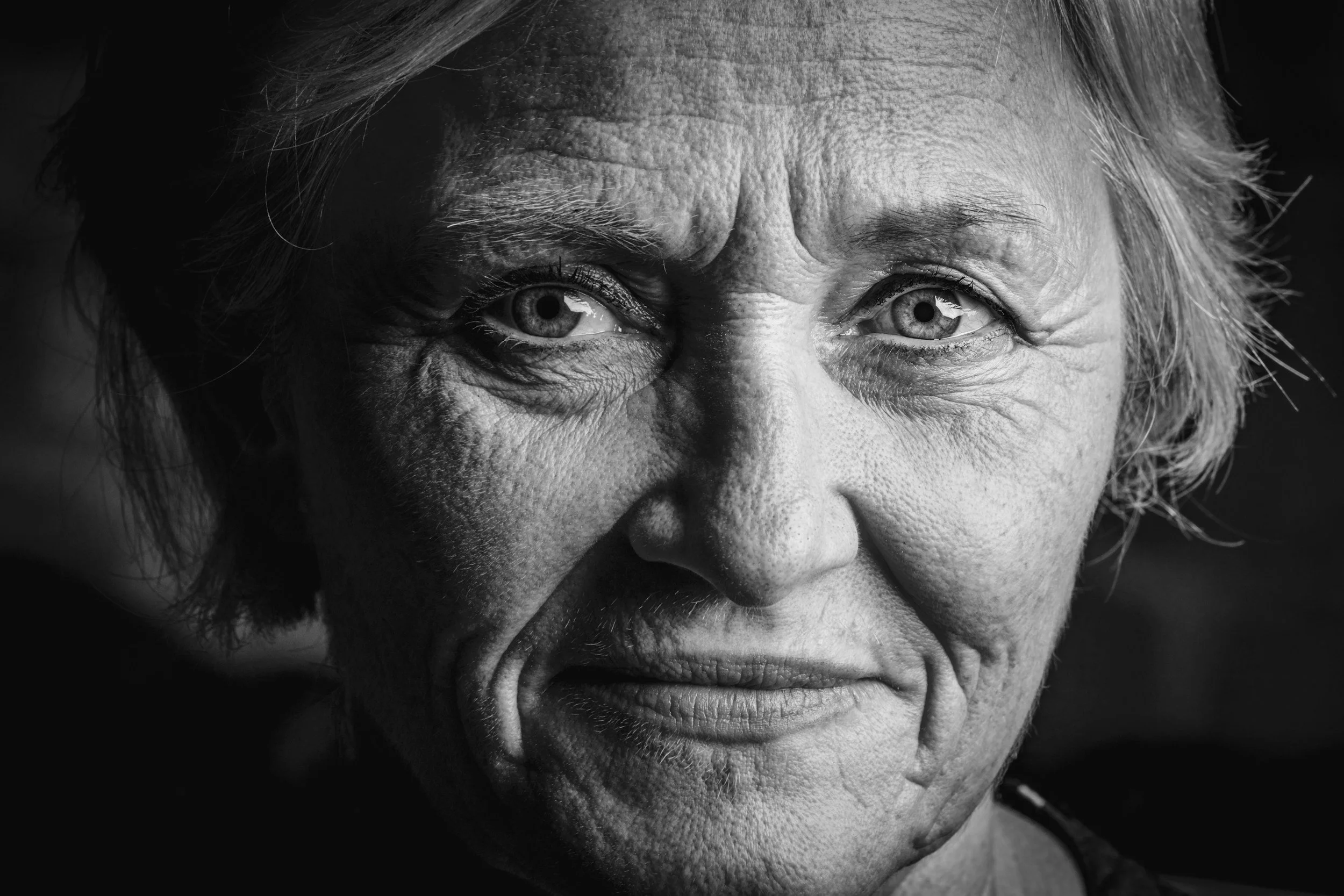
The Story of Breath, Vitality, and Tissue Tone
The folds running from the nose toward the corners of the mouth deepen naturally with age as collagen shifts and facial fat pads descend. They are also influenced by smiling patterns, facial structure, sleep, hydration, and connective tissue integrity.
When unusually pronounced early in life, they may invite inquiry into:
smoking history
chronic mouth breathing
low lung capacity
poor oxygenation
upper respiratory congestion
inflammation
collagen breakdown
chronic dryness
In Traditional Chinese Medicine, the cheeks and lung region are deeply connected with respiration, grief, and vitality.
In Ayurveda, low Prana, depleted rasa dhatu (body fluids), dryness, and low Ojas may all contribute to diminished facial suppleness.
Downturned Mouth / Frown Lines
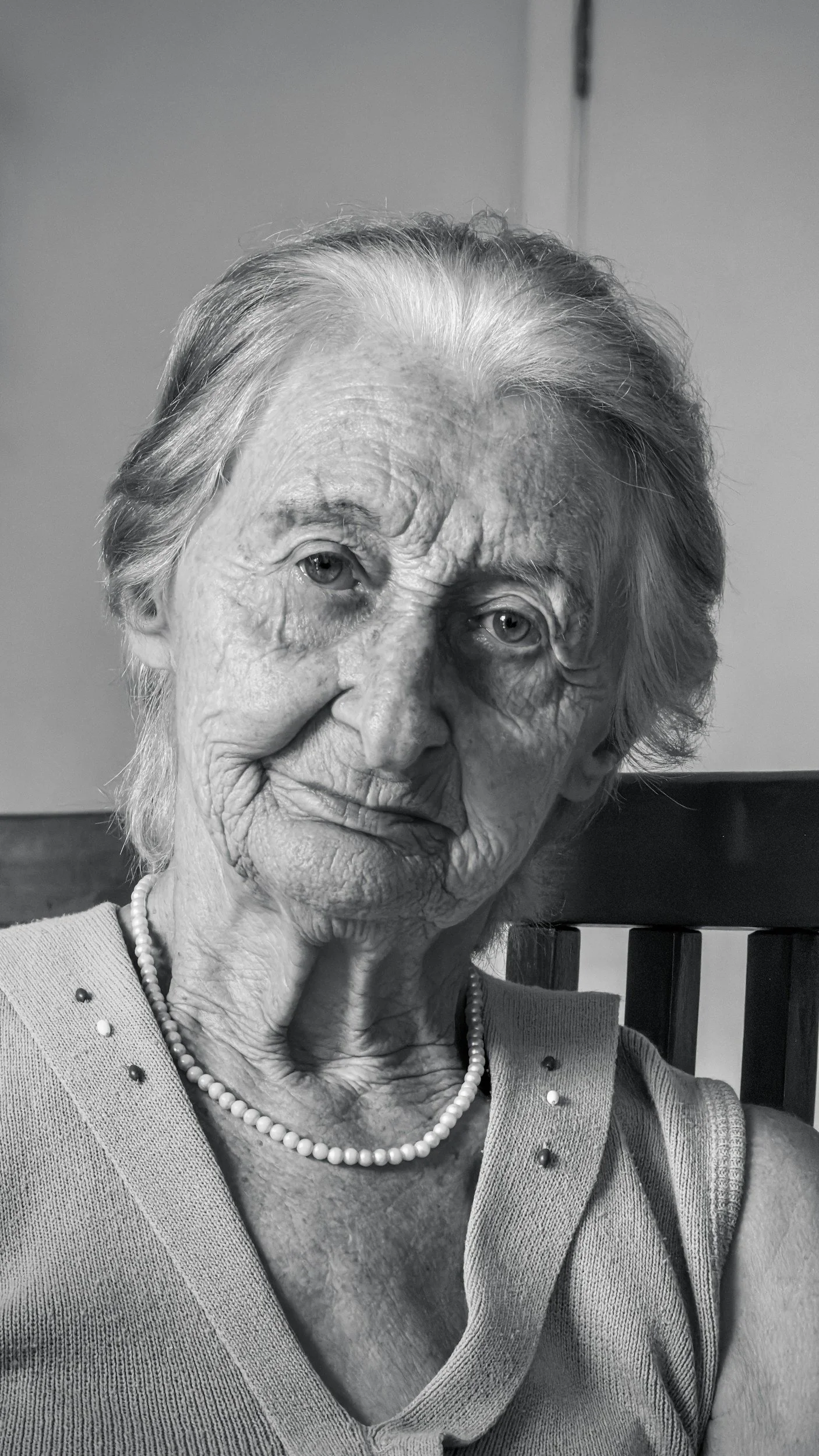
The Story of Grief, Sadness, and Emotional Holding
The mouth is deeply expressive.
Chronic tension around the mouth may reflect years of:
emotional restraint
grief
sadness
disappointment
endurance
holding back words
carrying pain quietly
The jaw and mouth are common places where unresolved emotion lives physically.
A person may smile often, but the resting mouth can still reveal what the nervous system has been holding.
Softening the jaw, breathing fully, singing, humming, crying, speaking truth, and learning emotional expression are all ways this region can begin to soften.
Dark Circles Under the Eyes
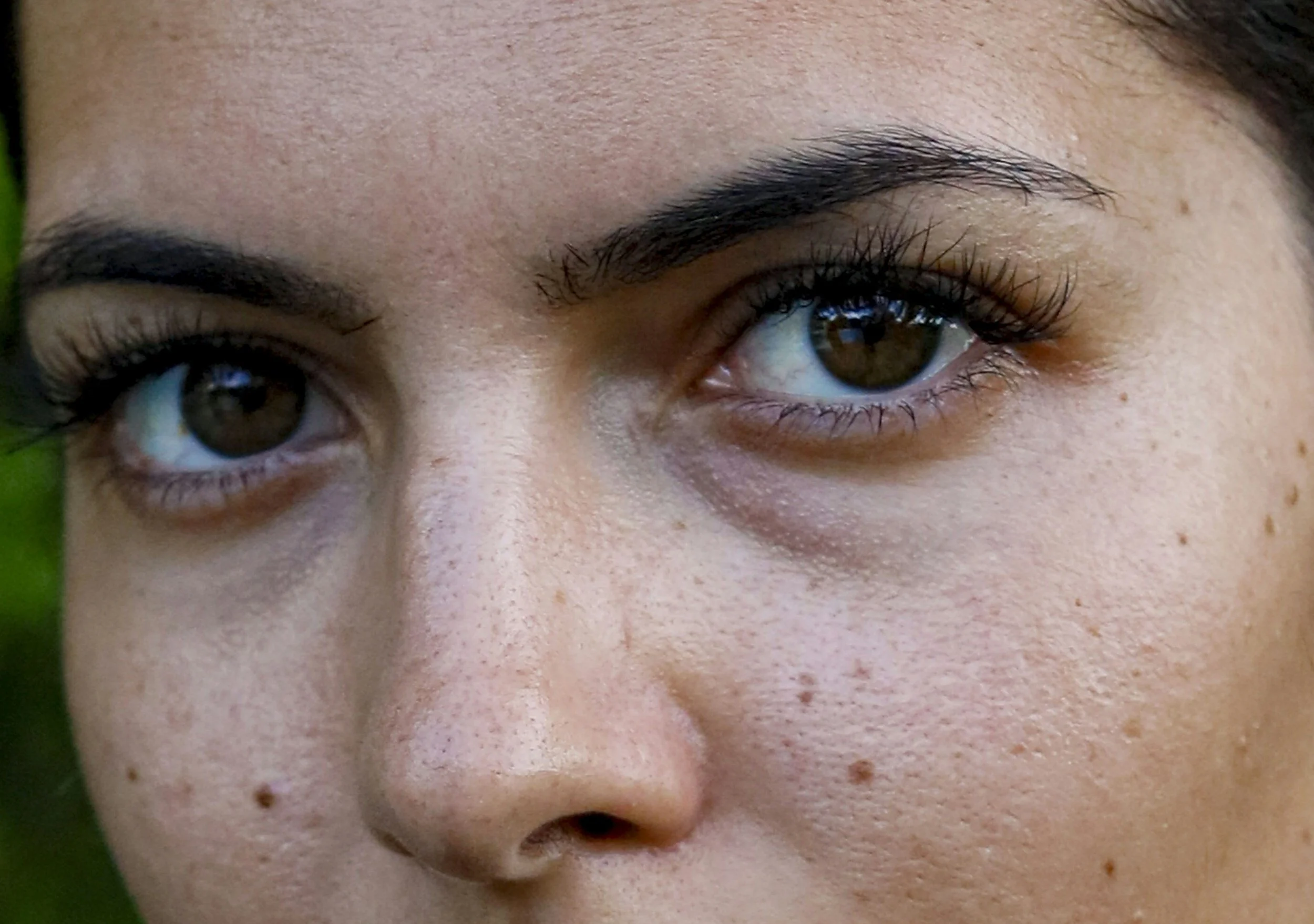
The Story of Depletion, Recovery, and Vital Reserve
Dark circles are multifactorial and may be influenced by:
sleep deprivation
allergies
sinus congestion
dehydration
genetics
iron deficiency
chronic stress
poor circulation
vascular pooling
inflammation
From an Ayurvedic lens, dark circles often suggest:
high Vata
nervous system depletion
adrenal burnout
excess Tejas consuming Ojas
depleted vital reserves
When paired with exhaustion, low libido, dry skin, anxiety, poor recovery, and chronic fatigue, deeper depletion may be present.
Traditional systems often associate the under-eye region with Kidney energy, vitality, and constitutional reserve.
The Face as Teacher
The face is always communicating. It reflects the state of the nervous system, the quality of our rest, the burden of stress, the vitality of our tissues, and often the emotional patterns we have carried throughout life. When we learn to observe the face with curiosity and compassion, it becomes a powerful teacher.
The goal is not judgment, nor is it to fix every line or change every feature. Rather, it is to listen more deeply to what the body may be expressing through the face.
When you look in the mirror, look beyond appearance alone. Take a moment to inquire:
What am I carrying?
Where am I holding tension?
Am I nourished?
Am I deeply rested?
What emotions have I been holding?
What is my body trying to communicate?
These questions invite a deeper relationship with your health, one rooted in observation, self-awareness, and care.
Your face is far more than appearance. It is physiology made visible. It is emotion embodied. It reflects the ways you have lived, loved, endured, and adapted. In many ways, your face is a living record of your inner world, quietly telling the story of your health, your experiences, and the life you have lived.
Ready to Go Deeper?
Your face offers valuable insight, but it is only one piece of a much larger picture. True healing unfolds when digestion, lifestyle, emotional well-being, nervous system health, and daily rhythms are viewed together through a personalized lens.
In Ayurveda, we do not look at one symptom or one feature in isolation. We look at the whole person, your constitution, your current imbalances, your history, your routines, your stress patterns, your digestion, your sleep, and the subtle ways the body has been communicating over time.
If you are curious about what your face, tongue, digestion, energy, and symptoms may be revealing, I invite you to schedule a free discovery call with me. During this call, we will explore your current health patterns, seasonal needs, and whether Ayurvedic support is the right next step for you.
Disclaimer
The information provided in this article is for educational purposes only and is not intended to diagnose, treat, cure, or prevent any disease. Facial analysis in Ayurveda and Traditional Chinese Medicine is an observational tool used to support deeper inquiry into patterns of health and imbalance, not a substitute for medical diagnosis. The insights shared here are meant to encourage self-awareness and holistic understanding, not self-diagnosis.
Always consult a qualified healthcare provider regarding any medical concerns, symptoms, or before beginning any new herbal, dietary, or wellness protocol. The author and publisher of this article are not responsible for any adverse reactions, effects, or consequences resulting from the use or interpretation of the information presented.