
Exploring the traditional practice of bathing with medicinal plants, from the rainforests of South America to Ayurveda and bioregional herbalism.
Author, Zaidy Charrón
Learning From the Plants of the Rainforest
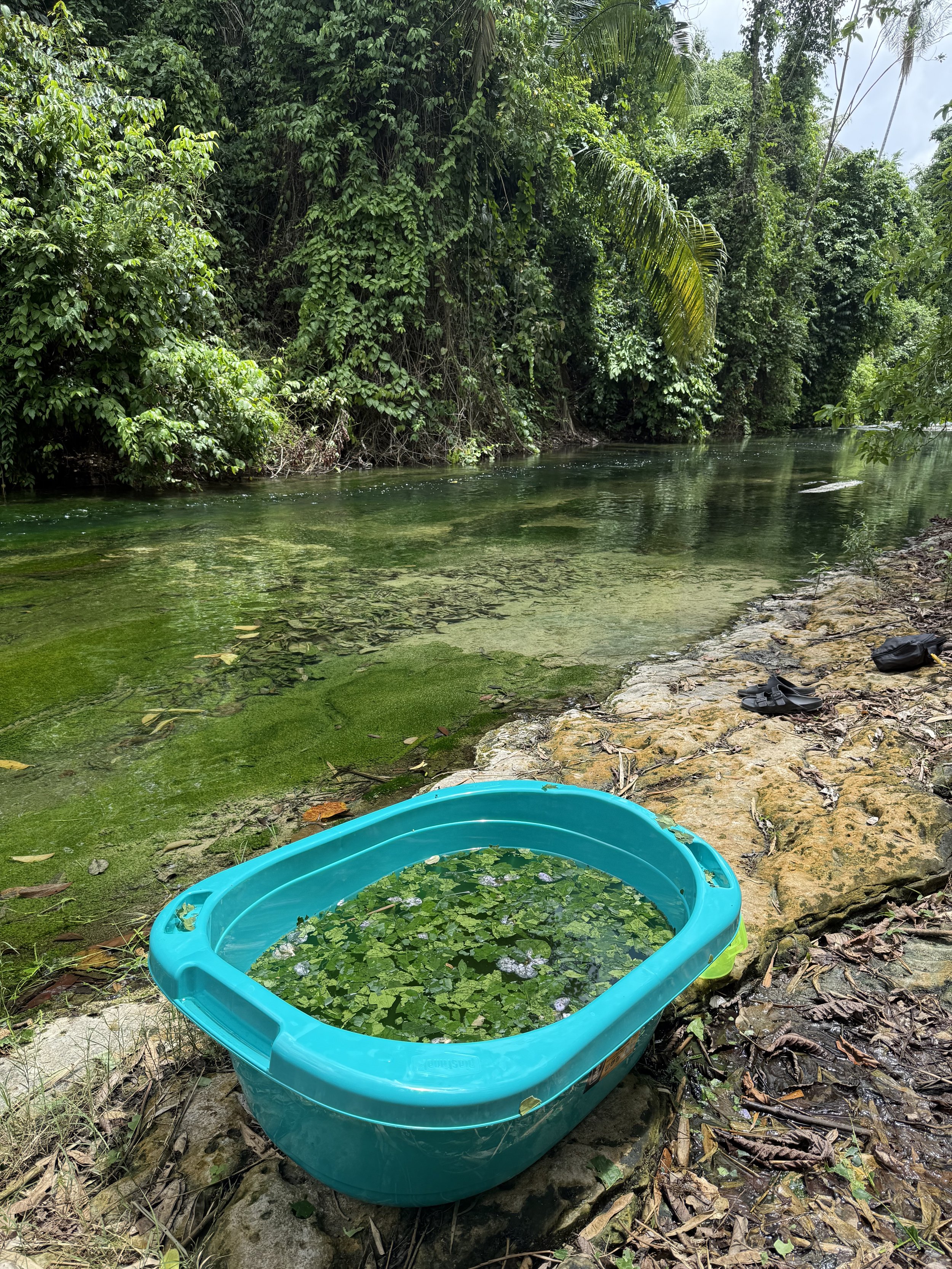
During my time in the Peruvian Amazon, I traveled to the sacred boiling river of Shanay-timpishka, where geothermal waters rise from deep within the Earth and flow through the rainforest. I was there to begin a plant dieta, a traditional practice of entering into a dedicated relationship with a medicinal plant under the guidance of Indigenous healers in the Asháninka tradition.
Before beginning my dieta, I received a plant bath prepared with Ajo Sacha (Mansoa alliacea), an aromatic Amazonian vine traditionally associated with cleansing, protection, and spiritual preparation. I remember bathing in the warm waters of Shanay-timpishka, surrounded by the immense presence of the rainforest, with the flowers and fragrant leaves of Ajo Sacha moving through the water and across my skin.
There was something deeply grounding about this experience. The warmth of the water, the pungent aroma of the leaves, and the intention of preparing myself for the dieta brought my attention completely into my body. The bath was not simply about becoming clean. It was a way of entering into relationship with the plant, asking for protection, and preparing myself physically, mentally, and spiritually for the work ahead.
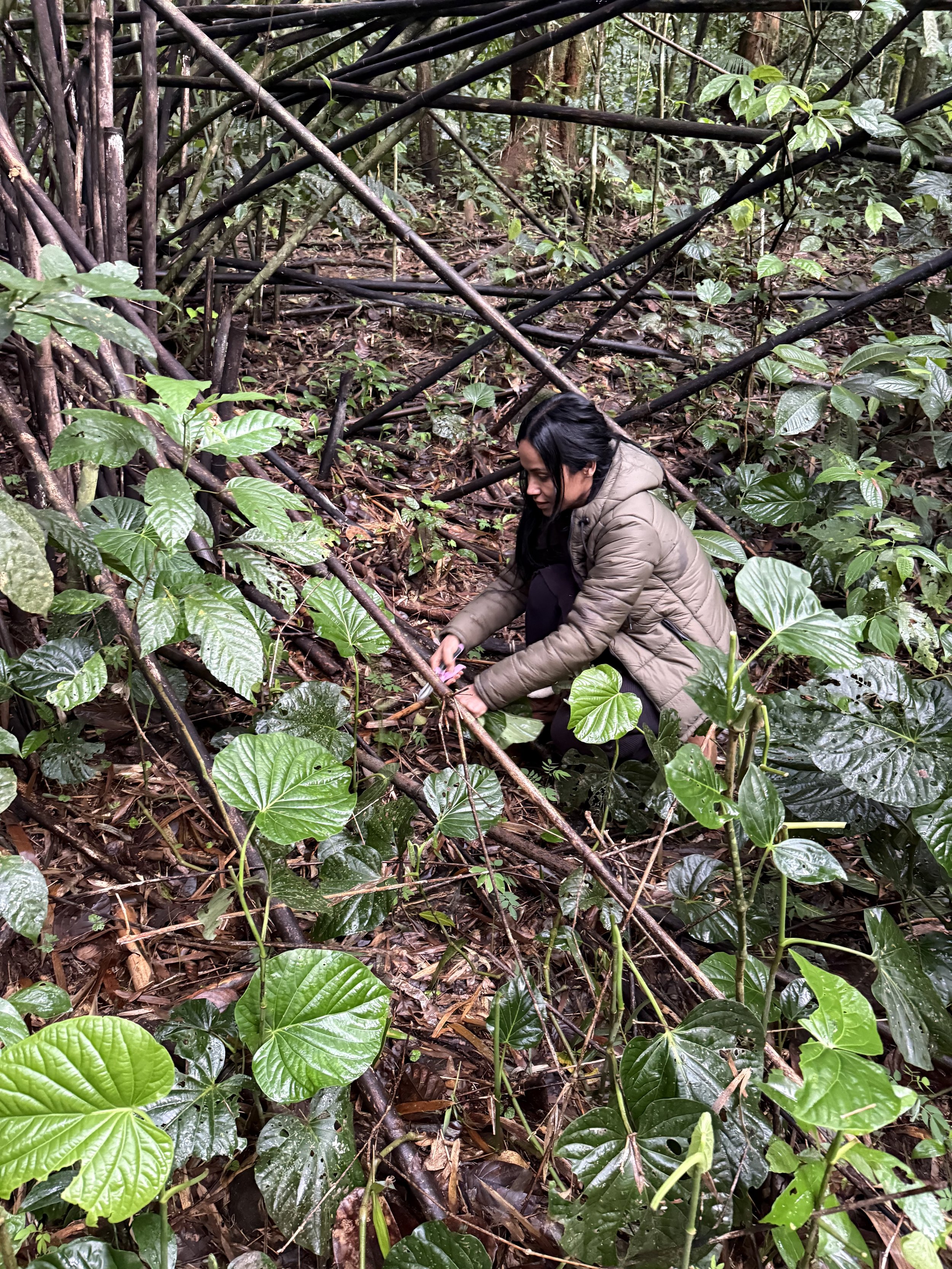
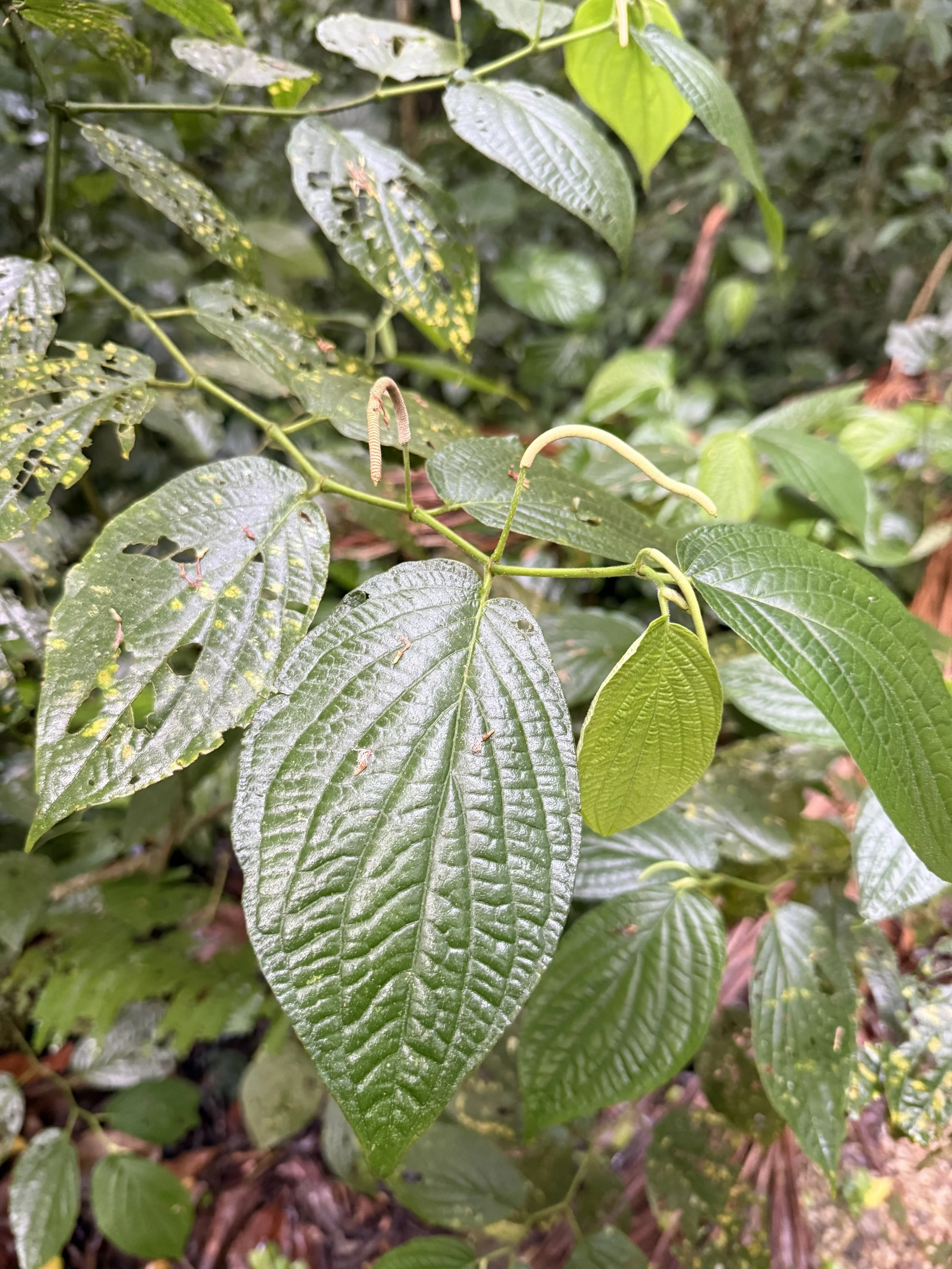
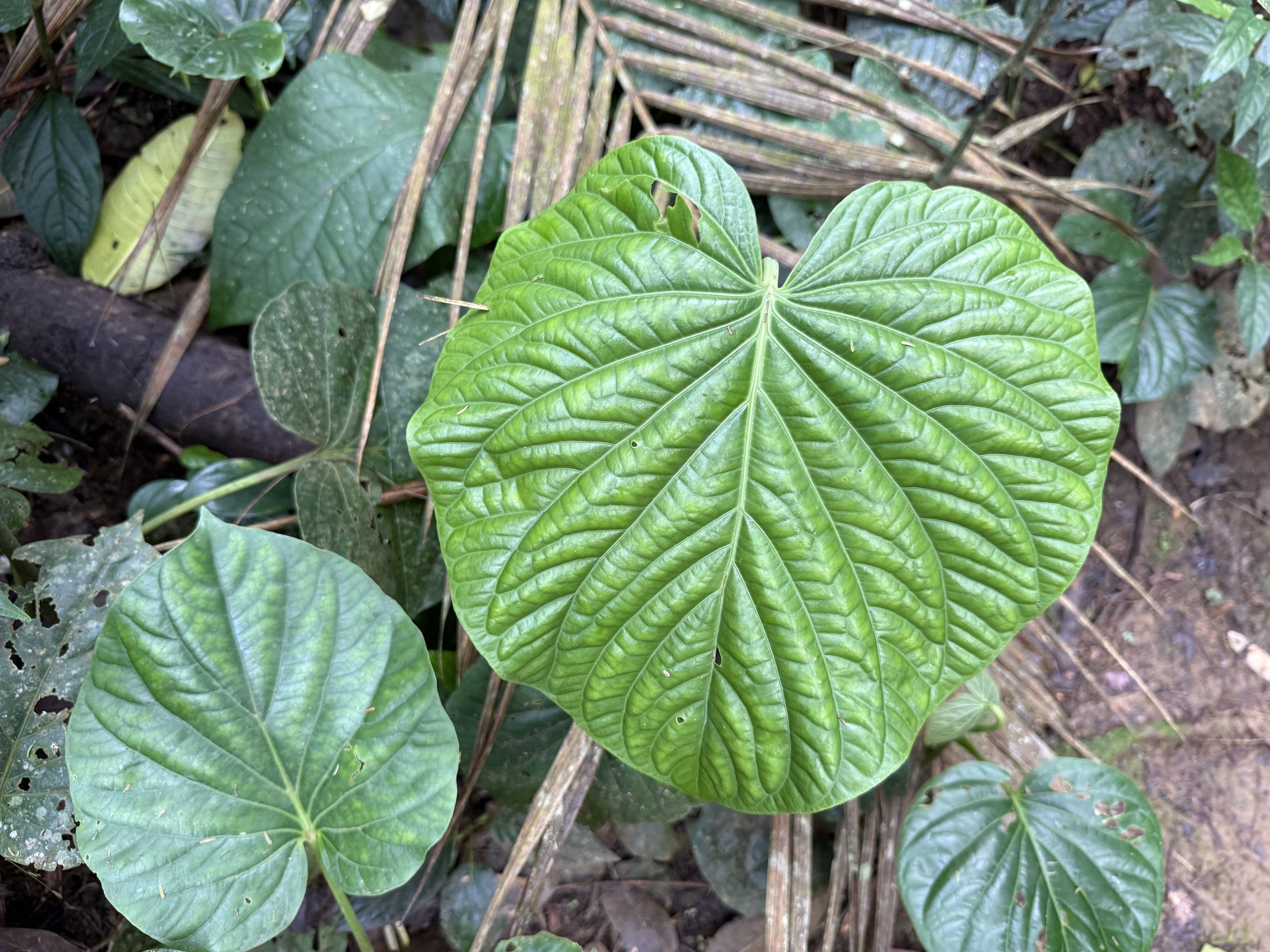
More recently, while living in the Atlantic rainforest of Brazil, I had the opportunity to deepen my understanding of traditional plant bathing with my friend Tatiana, an Indigenous woman who has spent decades immersed in the study and practice of jungle and plant medicine, including learning from the Asháninka tradition. Together, we walked through the rainforest gathering fresh leaves from five different plants used in traditional bathing preparations. The plants displayed characteristics of the pepper family, Piperaceae, a remarkably diverse family of aromatic plants found throughout tropical regions of the Americas.
The plants varied considerably in appearance. Some had broad, heart-shaped leaves, while others were elongated and oval, and one was gathered from a tree-like plant. Each released a distinctive fragrance when its leaves were crushed, ranging from sweet and spicy to deeply aromatic and penetrating. Two of the plants were known by the Indigenous names Mochica and Nisurao. I am continuing to research their scientific identifications, but their botanical characteristics suggest an association with the pepper family, particularly the genus Piper.
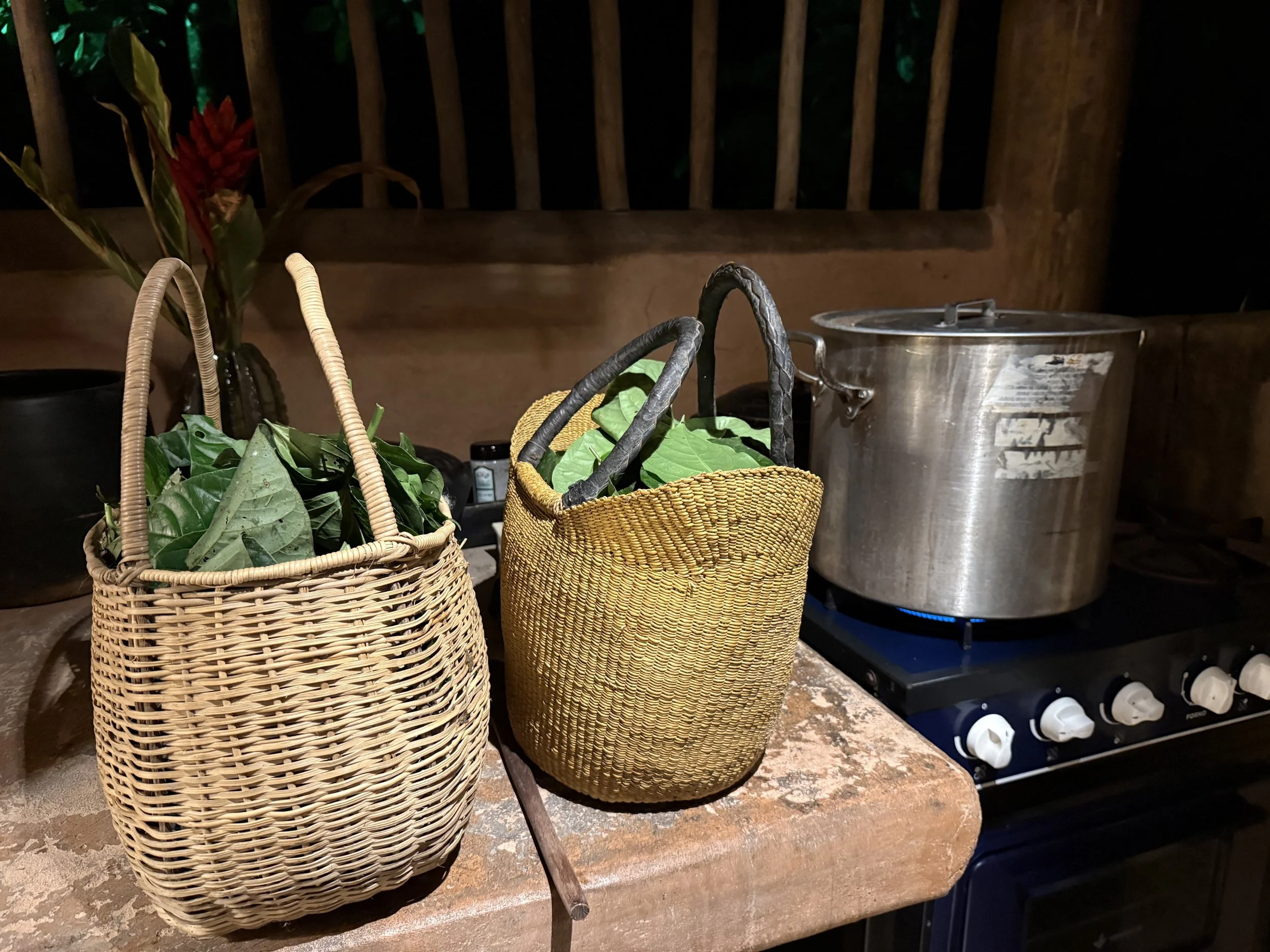
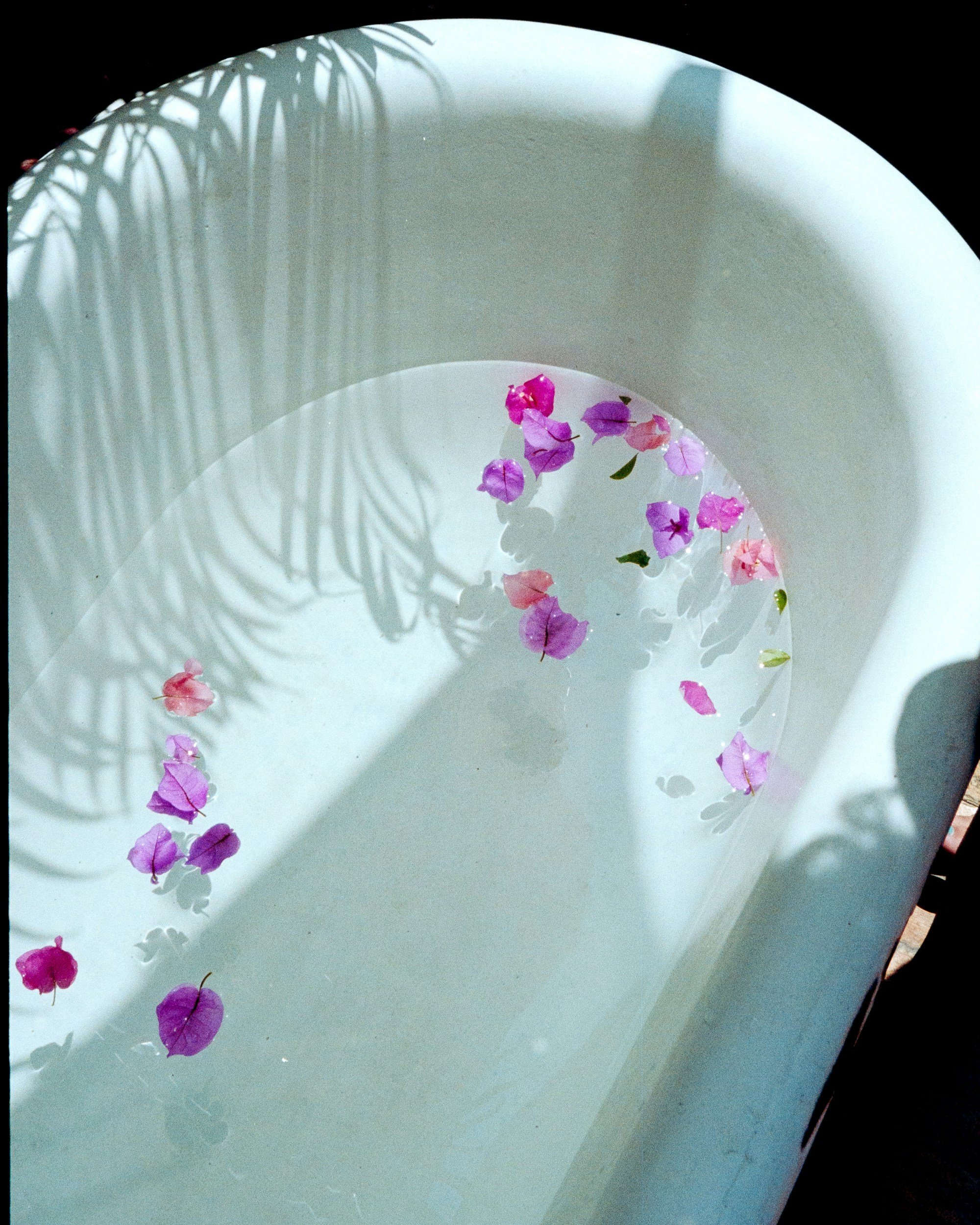
After gathering the leaves, we returned to prepare the bath. We brought a large pot of water to a boil, added the freshly collected plants, and allowed them to simmer for approximately two minutes before turning off the heat. The leaves then remained in the covered pot, steeping in the hot water as their fragrances infused the preparation. Once the water had cooled to a safe temperature, we brought it to the bathtub, where I began with a gentle herbal steam, allowing the fragrant vapor to surround me. I then poured the herbal infusion into the bath and immersed myself in the warm water, crushing the softened leaves between my hands and rubbing them over my entire body, including between my toes. This intimate contact with the plants released even more of their aromatic qualities, creating a deeply sensory experience that invited stillness, relaxation, and connection with the medicine of the forest.
The experience was deeply sensory. The warmth of the water, the texture of the leaves, and the complex fragrances of the rainforest plants created an atmosphere that naturally invited stillness and attention. At our retreat center, where we offer these traditional plant baths to guests, we often observe how profoundly relaxing the experience can be. Guests frequently share that they feel deeply settled afterward, and many report especially restful sleep following their baths. These observations resonate with what we understand about the calming potential of warm bathing, sensory awareness, and the relationship between aroma, memory, and emotion.
What struck me most was the simplicity of the practice and the intimate knowledge of the surrounding ecosystem that made it possible. The plants were gathered from the living forest, selected through knowledge cultivated over years of observation and experience, and prepared with water using a relatively simple method. This experience reminded me that herbal medicine extends far beyond the internal consumption of plants. Through bathing, we encounter the botanical world through our skin, our sense of smell, and our relationship with the environment.
The Ethnobotany of Plant Baths
Ethnobotany is the study of the relationships between people and plants, exploring the ways plants shape medicine, food, ceremony, language, culture, and everyday life. Across cultures, bathing with plants has long served a variety of medicinal, spiritual, and ceremonial purposes. Herbal waters have traditionally been used for physical cleansing, tending to the skin, supporting recovery from illness, marking important life transitions, and preparing the body and mind for spiritual work.
Throughout the Amazon, medicinal plant bathing is an important practice within diverse Indigenous and local healing traditions, including those of the Asháninka, Shipibo-Konibo, Kichwa, and numerous other peoples whose knowledge of the forest has been cultivated and transmitted across generations. Although plant bathing is found throughout the region, there is no single unified Amazonian tradition. Each community, lineage, and healer maintains distinct methods of preparation, plant selection, and ceremonial application, with much of this knowledge preserved through oral transmission and direct relationships between teachers and apprentices.
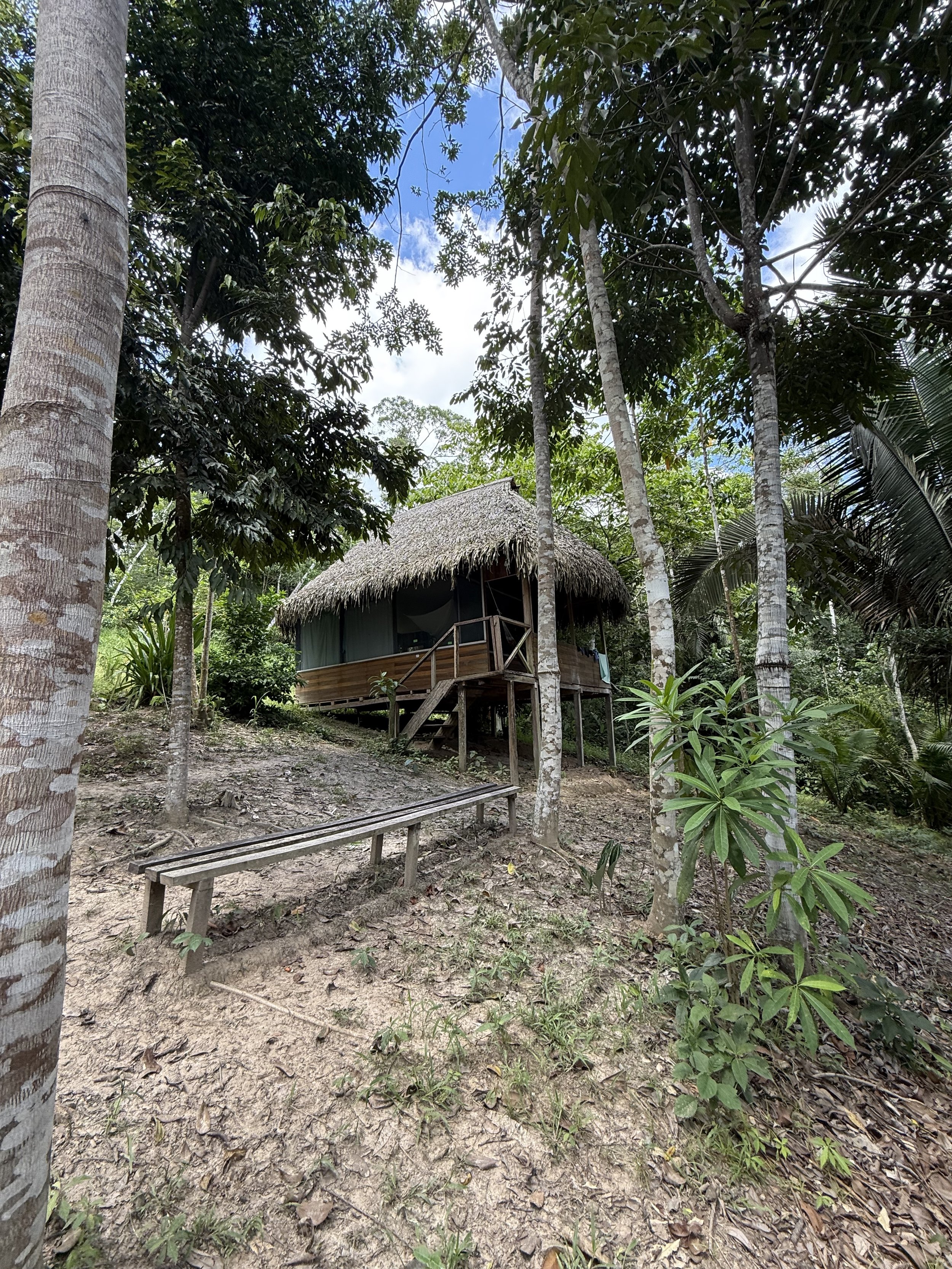
In parts of the Peruvian Amazon, plant baths are incorporated into practices of physical and spiritual cleansing, protection, healing, and preparation for working with medicinal plants, particularly within the context of traditional plant dietas. These preparations may be referred to in Spanish as baños de plantas (plant baths), baños de florecimiento (flowering baths), or baños de protección (protection baths), although their purposes and ingredients vary according to the region, cultural tradition, and healer administering them.
A traditional plant dieta is much more than a dietary restriction. In certain Amazonian healing lineages, it involves entering into a dedicated period of relationship with a particular plant, often incorporating dietary restrictions, solitude, prayer, dreams, songs, and the guidance of a healer. Plant baths may be incorporated before, during, or after this process as a means of spiritual preparation, cleansing, protection, or integration. Within these healing systems, the plants are understood not simply through their biochemical constituents but also through their relationships with people, places, and the unseen dimensions of life.
The preparation of a plant bath varies considerably between traditions. Some involve steeping medicinal leaves, flowers, roots, or bark in warm water, while others incorporate bathing in rivers, pouring herbal infusions over the head and body, or washing the skin with freshly crushed aromatic plants. In certain traditions, the preparation and administration of the bath are inseparable from prayer, song, and the intentions of both the person preparing the medicine and the person receiving it. Water becomes a medium through which the medicinal and spiritual qualities of the plants are encountered, creating an intimate relationship between the plants, the human body, and the surrounding environment.
The Aromatic Medicine of the Pepper Family
One of the most fascinating aspects of my experience in Brazil was learning about the aromatic plants of the pepper family, Piperaceae. This botanical family includes thousands of species distributed throughout tropical and subtropical regions of the world, with particularly rich diversity in Central and South America. The genus Piper includes familiar plants such as black pepper (Piper nigrum), as well as an extraordinary diversity of tropical shrubs, vines, and small trees.
Another important member of this genus is Piper longum, commonly known as Pippali or Indian long pepper, a highly revered medicinal plant in classical Ayurveda. Pippali has been used for thousands of years in Ayurvedic formulations, particularly for supporting agni (digestive and metabolic fire), respiratory health, and rejuvenation. It is also one of the three herbs in the classical formulation Trikatu, alongside black pepper and dried ginger. Although the tropical American species of Piper have their own distinct medicinal histories and traditional applications, their botanical relationship to Pippali offers an interesting connection between the medicinal plant traditions of South America and India.
Many species in this family produce highly aromatic leaves containing volatile compounds that contribute to their distinctive fragrances. Depending on the species, these aromas may be peppery, sweet, spicy, camphoraceous, or reminiscent of anise, cloves, and other familiar scents. The aromatic chemistry of the genus Piper is particularly interesting because different species may contain terpenes, phenylpropanoids, and other volatile constituents that contribute to the scent released when their leaves are crushed.
One plant of particular interest is Piper auritum, known for its large, heart-shaped leaves and distinctive anise-like aroma. Commonly called hoja santa in Mexico and parts of Central America, it has a long history of culinary and traditional medicinal use. Other members of the genus have been documented in ethnobotanical research for their use in topical preparations, medicinal washes, and traditional healing practices. However, the chemical composition of these plants varies considerably, and some species contain constituents that require caution, making accurate identification essential.
I find the sensory experience of these plants especially remarkable. Simply crushing a leaf between your fingers can release an entire world of fragrance. In the rainforest, where so much of the surrounding vegetation is alive with scent, moisture, and texture, this becomes an intimate way of learning about the plants. Rather than encountering an herb only as a dried powder, tincture, or capsule, we begin to recognize its living form, the shape of its leaves, the environment in which it grows, and the aroma it releases.
This is one of the aspects of ethnobotany that I love most: understanding plants not only as medicinal substances, but as living beings within complex ecosystems. The study of a plant becomes inseparable from the study of its habitat, its ecological relationships, and the generations of people who have learned to work with it.
The Ayurvedic Perspective: Snāna and the Medicine of Water
Although my introduction to Amazonian plant bathing came through Indigenous healing traditions, I have found many beautiful parallels with the principles of Ayurveda. Ayurveda offers a sophisticated framework for understanding bathing because it considers not only the plants we use, but the qualities of the water, the temperature, the season, the person's constitution, and the condition of their body and mind.
In classical Ayurveda, bathing is known as snāna and is an important part of dinacharya, the daily regimen of practices intended to preserve health and support balance. The Charaka Samhita, one of Ayurveda's foundational classical texts, describes bathing in Sutra Sthana, Chapter 5, verse 94, as purifying, supportive of vitality and longevity, relieving fatigue, sweat, and impurities, promoting bodily strength, and enhancing ojas.
Ojas is traditionally understood as the refined essence associated with the nourishment of the body's tissues, vitality, stability, and resilience. Although it is sometimes loosely translated as immunity, ojas is a much broader classical concept and should not be equated directly with a measurable immune marker. The description of bathing as ojaskara, or supportive of ojas, is particularly meaningful because it demonstrates that Ayurveda has never understood bathing as merely a way of washing dirt from the body. Bathing is considered a practice that contributes to strength, vitality, and the maintenance of health.
The Ashtanga Hridaya, another foundational Ayurvedic text attributed to Vagbhata, also discusses bathing as part of the daily regimen. In Sutra Sthana, Chapter 2, the text describes bathing as supportive of vitality, strength, and longevity while relieving fatigue, sweat, itching, and dirt. It also makes an important distinction regarding water temperature, traditionally recommending warm water for the body below the head while cautioning against excessive heat applied to the head.
From the perspective of the five great elements, or Pancha Mahabhutas, water is known as Jala Mahabhuta and is associated with fluidity, cohesion, softness, nourishment, and cleansing. When medicinal plants are combined with water, the resulting preparation brings together the inherent qualities of the water, the energetics of the plants, the temperature of the preparation, and the constitution and current state of the individual receiving it.
Depending on the plants selected and the method of preparation, a bath may be warming or cooling, stimulating or soothing, aromatic or astringent. It may be formulated to ground someone experiencing the dryness, instability, and excessive movement of Vata, or to cool and soothe an individual experiencing the heat and intensity of aggravated Pitta.
Plant Baths for Vata Season
As we move into autumn and winter, when the cold, dry, and mobile qualities of Vata dosha become more prominent in many climates, plant baths can become a particularly nourishing seasonal ritual. In Ayurveda, the principle of ritucharya, or seasonal regimen, teaches that our daily practices should change in response to the qualities of the season and the environment.
Vata is characterized by cold, dry, light, rough, mobile, and subtle qualities. During autumn and early winter, particularly in cold and dry climates, these qualities may become more pronounced. A Vata-pacifying bath emphasizes warmth, softness, stability, and nourishment, introducing qualities that oppose the dryness, coldness, and excessive movement associated with aggravated Vata.

One of my favorite ways to incorporate plant bathing into an Ayurvedic routine is to begin with abhyanga, or self-oil massage. The Ashtanga Hridaya praises regular oil massage, particularly for counteracting fatigue and Vata and supporting the skin, strength, and sleep. From an Ayurvedic perspective, oil massage introduces the qualities of snigdha (unctuous), guru (heavy), mridu (soft), and often ushna (warm). When followed by a comfortably warm herbal bath, the combination can be particularly comforting.
For Vata, I often gravitate toward gentle, aromatic, and nourishing herbs such as chamomile, rose, calendula, and oatstraw, combined with comfortably warm water to encourage grounding and relaxation. For Pitta, cooling and soothing floral herbs such as rose, aloe vera and lavender may be preferable, along with more moderate water temperatures to avoid introducing excessive heat. Those experiencing Kapha-related heaviness may benefit from shorter, warmer, and more invigorating baths incorporating aromatic herbs such as rosemary or thyme. These suggestions are contemporary Ayurvedic interpretations based on plant qualities and traditional uses rather than classical formulations, and they should always be adapted to the individual's constitution, current imbalances, and sensitivity to particular plants.
Ultimately, Ayurveda reminds us that healing is not simply the removal of what is excessive. It is also the restoration of what has become depleted. During the darker and colder months of the year, warmth, nourishment, quiet, and rest may be exactly what the body needs.
The Art of Bioregional Plant Bathing
One of the most meaningful lessons I have taken from my experiences in the rainforest is the importance of working with plants that grow around us. Bioregional herbalism invites us to develop relationships with the ecosystems we inhabit rather than relying exclusively on medicinal plants sourced from distant places.
You do not need to live in the Amazon or Atlantic rainforest to experience the beauty of a plant bath. The practice can be adapted to the plants growing in your garden, the herbs available at your local apothecary, or the medicinal plants traditionally used in your region. Although the specific plants and cultural meanings will differ, the simple act of preparing aromatic herbal water and taking time to bathe can be practiced in many environments.
In tropical regions such as Puerto Rico, Brazil, and the Caribbean, cultivated lemongrass, hibiscus, and other familiar bath-safe aromatic plants may be incorporated into refreshing preparations. In temperate North America, garden-grown rosemary, chamomile, calendula, and rose petals can make beautiful seasonal baths. Mediterranean gardens offer fragrant plants such as lavender, rosemary, and thyme, while in the Rocky Mountain region, where cold and dry conditions can be particularly aggravating to Vata, cultivated chamomile, rose, oatstraw, and calendula can be lovely choices for a nourishing autumn or winter bath.
These are contemporary herbal bathing suggestions rather than reconstructions of Indigenous ceremonial formulas. The intention is not to recreate an Amazonian plant bath using different plants, but to allow the inspiration of the practice to encourage a deeper relationship with the plants available where we live.
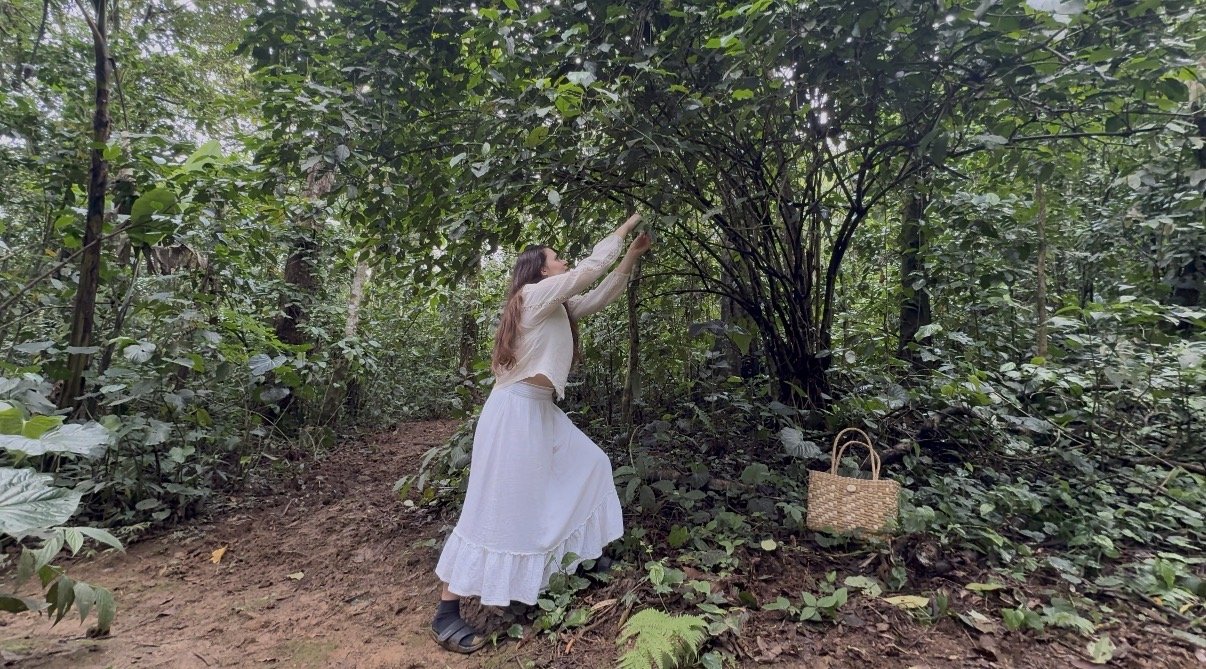
When gathering plants, I encourage people to learn their botanical names, understand their traditional uses, and become familiar with their ecological relationships. Notice where they grow, which insects visit their flowers, the soil they prefer, and how their characteristics change throughout the seasons. Harvest only what is needed and only where collection is permitted, avoiding rare plants, protected areas, and plants growing near contaminated roadsides or sprayed landscapes. When gathering leaves or stems, use clean, sharp scissors or pruning shears to make careful cuts rather than pulling or tearing at the plant. This helps minimize damage, supports healthy regrowth, and allows us to harvest with greater care and respect for the living plants.
Not every fragrant or locally growing plant is safe for topical use, so accurate identification and knowledge of appropriate preparations are essential. Bioregional herbalism is not simply about sourcing medicine locally. It is about learning to belong to a place and cultivating a relationship of reciprocity with the ecosystems that sustain us.
How to Prepare a Plant Bath at Home
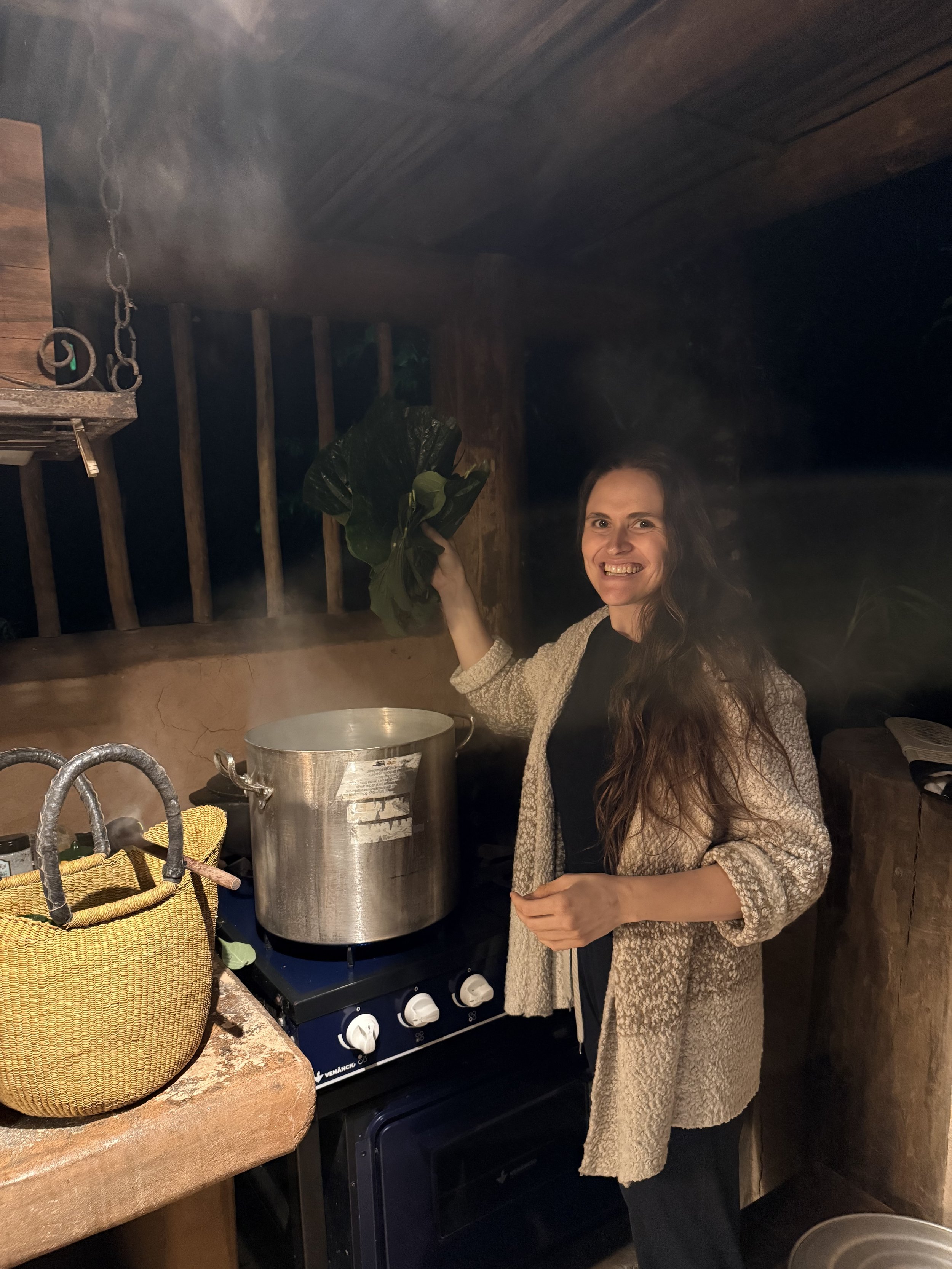
Inspired by the preparation Tatiana taught me in Brazil, this simple method can be adapted using familiar, positively identified herbs appropriate for topical use. It is a contemporary home herbal bath rather than a reproduction of a specific Indigenous ceremonial formula.
Ingredients and Materials
½–1 cup of fresh, loosely packed herbs, or ¼–½ cup of dried herbs
1–2 liters of water
A large pot with a lid
A fine mesh strainer or reusable cotton bag
A bathtub or large basin
Preparation
Gather and prepare your plants. Select one to three herbs according to the season, your constitution, and the qualities you would like to cultivate. Take a moment to notice their colors, textures, and fragrances. If you have gathered them from your garden, remember the conditions in which they were growing and the environment that supported them.
Prepare the herbal infusion. Bring the water to a boil, remove it from the heat, and add your fresh leaves or dried herbs. Cover the pot and allow the plants to steep for approximately 15–20 minutes. In Brazil, we briefly simmered the fresh rainforest leaves for about two minutes before turning off the heat and allowing them to soak. For a general home preparation with tender leaves and flowers, a covered infusion is often sufficient.
Enjoy the aromatic steam. Once the herbal preparation has cooled to a comfortably warm temperature, take a towel and gently drape it over your head, creating a loose canopy to capture the fragrant steam. Position your face at a comfortable distance above the water, allowing the aromatic vapor to gently envelop your face. Close your eyes, breathe naturally, and take a few moments to enjoy the soothing aromas of the plants. Be mindful to avoid excessively hot water or intense steam that could burn or irritate your skin.
Prepare the bath. Strain the herbal infusion into a bathtub filled with comfortably warm water, or place the softened herbs in a reusable cotton bag if you would like to experience their texture. Stir the water to distribute the infusion evenly and check the temperature carefully before entering.
Bathe with the plants. Immerse yourself in the water and allow your body to relax. If using soft, bath-safe leaves, you may gently squeeze them in the water or rub them over you skin. Notice the warmth, the fragrance, and the sensation of the water against your body. Allow the experience to become a simple practice of sensory awareness and rest.
Rest afterward. Remain in the bath for approximately 10–20 minutes, or less if that is more comfortable. When you finish, dry yourself gently and allow some time to rest. I especially love this practice in the evening, when it can become a transition into sleep.
If you do not have a bathtub, you can prepare the same herbal infusion as a foot bath or use a comfortably cooled, diluted preparation as a gentle body rinse. The practice does not require elaborate equipment or rare medicinal plants. Its value lies in the thoughtful selection of herbs, the sensory experience, and the time dedicated to rest.
Safety note: Use only plants that have been reliably identified and are known to be appropriate for topical use. Patch-test unfamiliar herbs, avoid broken or irritated skin, and discontinue use if irritation occurs. Some aromatic plants, including certain Piper species, contain potentially irritating or toxic constituents. Avoid concentrated essential oils poured directly into bathwater and never use dangerously hot water. People who are pregnant, have significant cardiovascular conditions, experience dizziness with heat, or have serious skin conditions should seek individualized guidance before using herbal or hot baths.
A Ritual of Gratitude and Relationship
When I think back to my experiences bathing with plants in the Amazon and Atlantic rainforest, what stays with me most is not a particular medicinal constituent or physiological effect. It is the relationship. The experience of walking through the forest, gathering leaves, learning their names, crushing them between my fingers, and discovering their fragrances. The simplicity of bringing water and plants together, and the feeling of warmth against my skin as I allowed myself to rest.
We live in a time when herbal medicine is increasingly commodified. Plants are extracted, concentrated, packaged, and shipped around the world, often becoming disconnected from the ecosystems and traditions from which they originate. Yet some of the most meaningful experiences with plants can happen through simple acts of attention. A handful of chamomile, a branch of rosemary, rose petals gathered from the garden before the first frost, and a pot of water warming on the stove can become the foundation of a nourishing ritual.
As we move into autumn and winter, I encourage you to explore the plants growing close to home and consider how they might become part of your seasonal practices. Learn their names, observe their rhythms, and notice the qualities they bring into your environment. Approach them with curiosity, respect, and gratitude for the ecosystems and generations of knowledge that make our relationships with medicinal plants possible.
And perhaps, on a cold evening, invite a few of them into a warm bath. Let the water soften the body, the aroma bring you into the present moment, and the ritual create space for rest. Sometimes healing begins not by adding more to our lives, but by creating enough stillness to receive what is already here.
Deepen Your Connection with Plant Medicine & Ayurveda
Plant bathing is just one of the many ways we can cultivate a deeper relationship with the natural world and invite healing into our daily lives. Ayurveda teaches us that the plants, elements, and rhythms of nature are intimately connected to our own bodies, and that understanding this relationship can help us cultivate greater balance and well-being.
If you're curious about incorporating Ayurvedic herbal medicine, traditional healing practices, and personalized rituals into your life, I invite you to schedule a free discovery call with me. Together, we can explore how Ayurveda can support your unique constitution, health goals, and connection to the natural world.
Schedule your free discovery call
Disclaimer
The information provided in this article is for educational purposes only and is not intended to diagnose, treat, cure, or prevent any disease. Traditional plant bathing practices are shared to encourage a deeper understanding of herbal medicine, cultural traditions, and our relationship with the natural world. The use of medicinal plants requires proper identification, knowledge of their properties, and awareness of potential risks, including allergic reactions, skin irritation, burns, and interactions with existing health conditions.Not all plants are safe for topical use, steaming, or bathing, and traditional uses do not necessarily establish their safety or effectiveness. Always consult a qualified healthcare provider or knowledgeable herbal practitioner before incorporating unfamiliar plants or herbal preparations into your wellness practices, particularly if you are pregnant, nursing, taking medications, or managing a medical condition. Avoid excessively hot water and direct exposure to intense steam.The author and publisher of this article are not responsible for any adverse reactions, effects, or consequences resulting from the use or interpretation of the information presented.References and Further Reading
Classical Ayurvedic Texts
Charaka Samhita, Sutra Sthana 5.93–94. Traditional benefits of bathing, including purification, strength, vitality, and ojas.
Ashtanga Hridaya, Sutra Sthana 2.8–9. Abhyanga and its traditional benefits.
Ashtanga Hridaya, Sutra Sthana 2.16–18. Bathing, water temperature, and contraindications.
Bathing and Sleep Research
Haghayegh, S., Khoshnevis, S., Smolensky, M. H., Diller, K. R., & Castriotta, J. R. (2019). Before-bedtime passive body heating by warm shower or bath to improve sleep: A systematic review and meta-analysis. Sleep Medicine Reviews, 46, 124–135. https://doi.org/10.1016/j.smrv.2019.04.008
Ethnobotany and Plant Chemistry
Zoghbi, M. G. B., Oliveira, J., & Guilhon, G. M. S. (2009). The genus Mansoa (Bignoniaceae): A source of organosulfur compounds. Revista Brasileira de Farmacognosia, 19(3), 795–804.
Additional species-specific botanical references and firsthand Indigenous sources can be incorporated as the identification and traditional names of the Atlantic rainforest plants are further documented.