
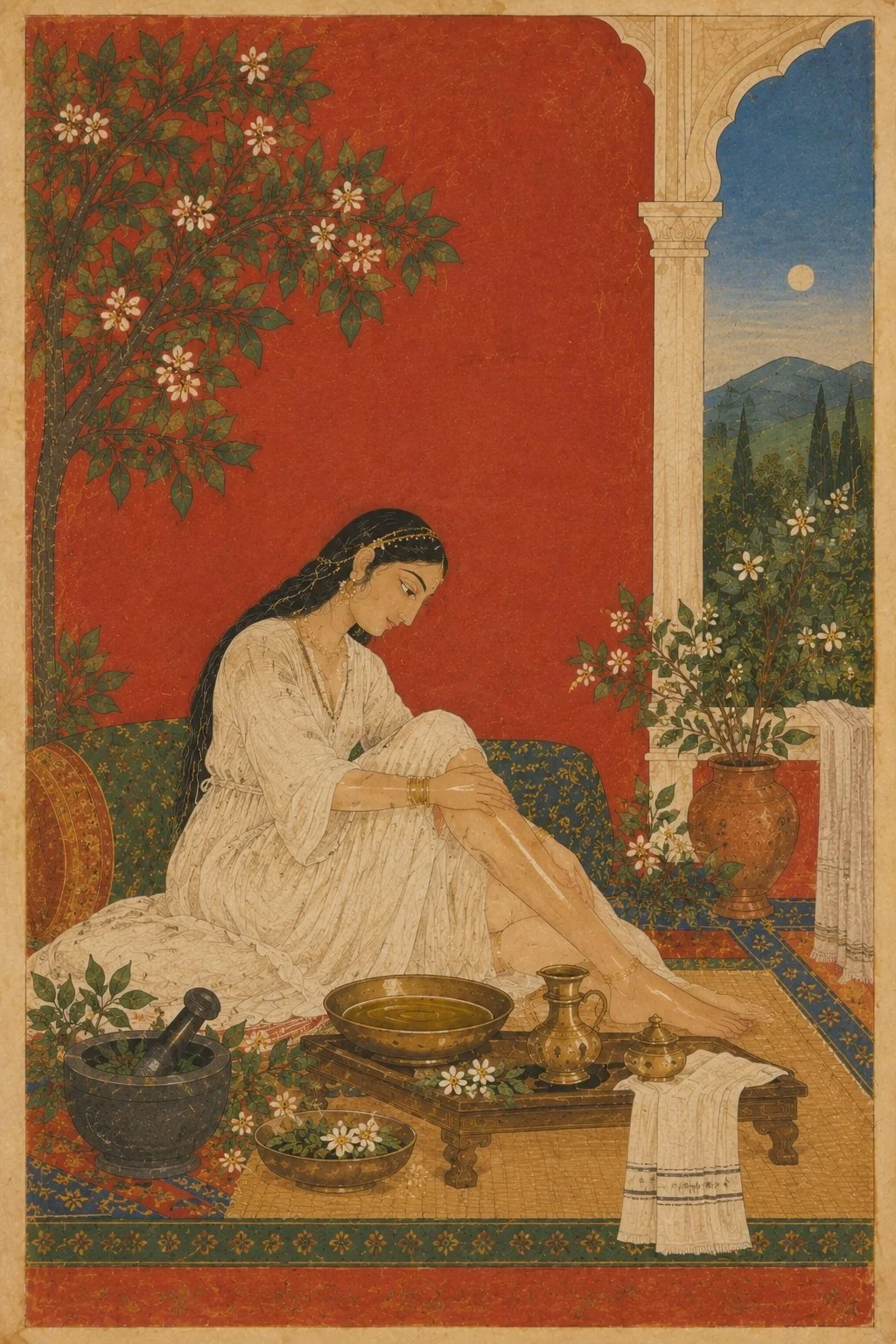
At-Home Panchakarma
Experience a traditional Ayurvedic cleanse from the comfort of your own home.
Panchakarma is Ayurveda’s classical system of cleansing and rejuvenation. Rather than simply restricting food or taking cleansing herbs, Panchakarma is a carefully sequenced process designed to prepare the body, mobilize accumulated doshas and ama from the tissues, guide them back toward the digestive tract for elimination, and then rebuild the body through rasayana, or rejuvenation.
My At-Home Panchakarma program brings this process into your own home with individualized preparation, a comprehensive written plan, traditional Ayurvedic therapies, and personal guidance throughout the process.
Spring and fall are the primary seasons for Panchakarma. Because preparation begins approximately one month before your cleanse, I recommend beginning the process well in advance of the week you would like to take off.
Is At-Home Panchakarma Right for You?
At-home Panchakarma is designed for people who want to experience a deeper Ayurvedic cleanse but cannot travel for a residential program.
Although you remain at home, this is not intended to be completed alongside your normal work and responsibilities. Panchakarma asks you to temporarily step away from the pace of everyday life so that your energy can be directed toward cleansing, rest, and restoration.
For the primary Panchakarma week, you should plan to take a full week away from work and significantly reduce caregiving, social commitments, travel, exercise, and other responsibilities.
Your home becomes your retreat space.
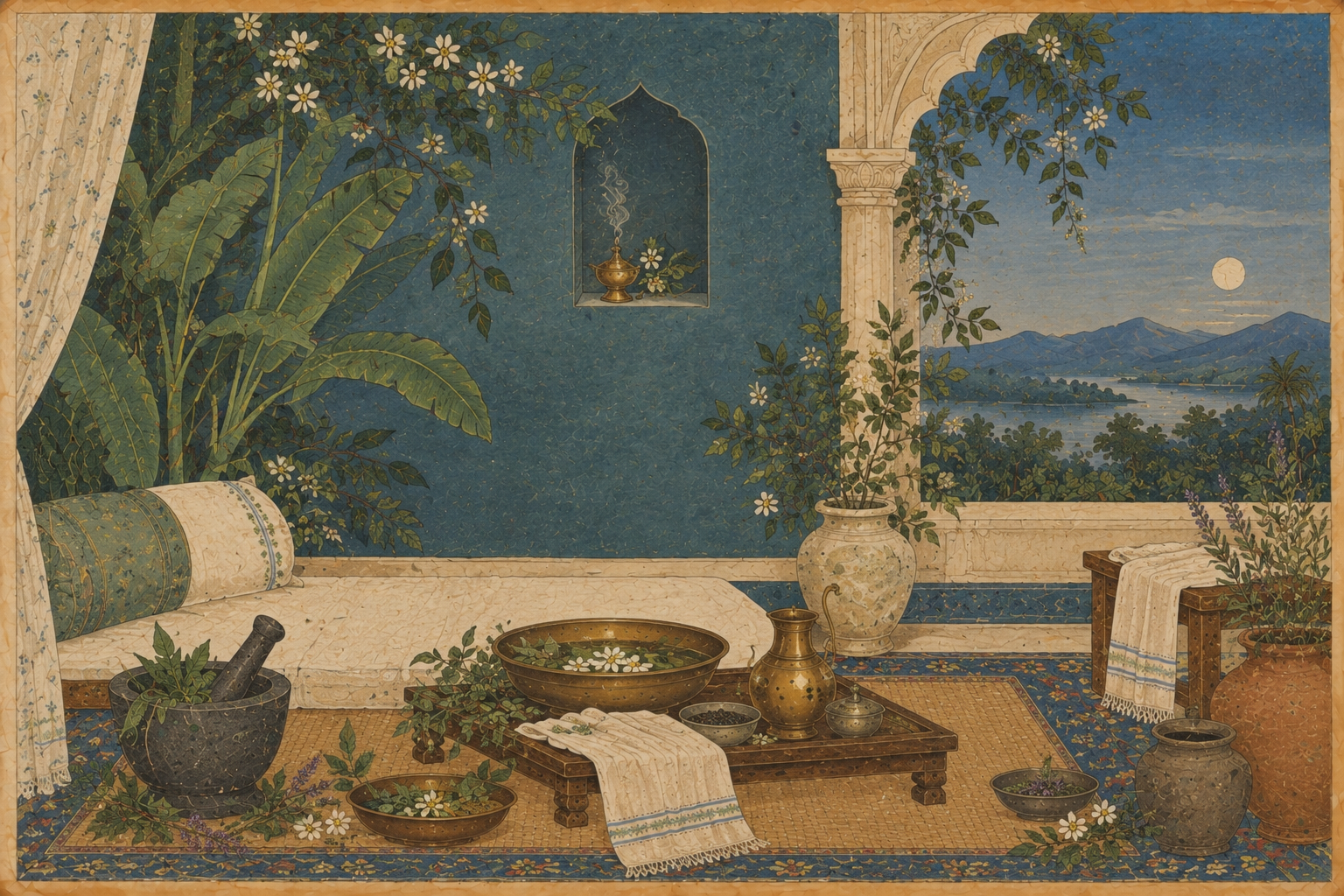
At-Home Panchakarma is a Four Step Process
-
Approximately one month before Panchakarma
We begin with a follow-up Ayurvedic consultation to assess your current digestion, elimination, energy, constitution, and overall state of balance.
From there, I create a personalized herbal and preparation protocol. During the weeks leading into Panchakarma, you may gradually reduce caffeine, sugar, fried foods, alcohol, and other foods or habits that could make the transition more difficult.
A few days before the primary cleanse, you may begin internal oleation with a medicated bitter ghee selected according to your needs.
The goal is to arrive at your Panchakarma week prepared rather than abruptly forcing the body into cleansing.
-
One full week dedicated to cleansing and rest
Before your cleanse begins, we meet for an in-depth orientation of approximately two hours. We walk through your entire plan together so that you understand your schedule, therapies, meals, herbs, supplies, and what to expect each day.
Your individualized program may include:
Daily abhyanga, or full-body Ayurvedic oil massage
Heat therapy following oil application
A simple diet centered around kitchari, broths, vegetables, and supportive teas
Herbal preparations selected for your constitution and needs
Therapeutic purgation when appropriate
A carefully planned series of Ayurvedic basti therapies
Gentle movement, breathing practices, meditation, and time outside
Extensive rest and reduced sensory stimulation
Your particular protocol is determined individually. Panchakarma is not a standardized cleanse, and not every therapy is appropriate for every person.
This is a week for doing less.
Reading, resting, walking gently outside, sleeping, journaling, meditating, and allowing the nervous system to settle become part of the medicine.
-
Panchakarma does not end with the final cleansing therapy.
For several days afterward, food is gradually reintroduced through simple, easily digestible meals such as kitchari, broths, cooked vegetables, and other foods appropriate for your digestion.
Your schedule should remain relatively spacious during this period. Digestion and energy are still rebuilding, and immediately returning to heavy food, intense exercise, travel, or a demanding schedule can undermine the work you have just completed.
Click the arrow to explore each step of the Panchakarma process.
-
Rejuvenation is an essential part of Panchakarma.
Approximately one week after your cleanse, we meet again to create your personalized rasayana plan.
Once excess has been cleared and digestion has been restored, Ayurveda turns its attention toward nourishment.
Your rejuvenation plan may include food, herbs, oils, daily routines, restorative practices, and lifestyle recommendations intended to rebuild strength and support the benefits of your cleanse in the months ahead.
Panchakarma is not simply about what we remove.
It is about creating the conditions for the body to receive nourishment again.
Frequently Asked Questions
-
At-Home Panchakarma is a guided Ayurvedic cleansing and rejuvenation program that allows you to move through the process from your own home. Your program is individually designed and includes preparation, a dedicated week of cleansing therapies and rest, gradual reintroduction of food, and a personalized rasayana rejuvenation plan afterward.
-
For new patients, the total professional fee is $850, which includes:
Initial Ayurvedic Consultation: $350
Panchakarma Plan + Orientation: $250
Rasayana Consultation + Plan: $250
If you are already an established patient, you may schedule a Follow-Up Consultation for $180 in place of the Initial Ayurvedic Consultation, bringing the total professional fee to $680.
Herbs, medicated ghee, oils, vasti supplies, food supplies and other materials are purchased separately so they can be customized to your individual protocol.
-
Plan for approximately one month of preparation, followed by a full week dedicated to Panchakarma and several quieter days afterward for gradual food reintroduction and recovery.
Preparation does not require taking time off work. Your primary Panchakarma week, however, should be treated as retreat time.
-
Yes. Panchakarma is not designed to be completed while maintaining your normal workload and responsibilities. During your cleanse, your energy should be directed toward the therapies, digestion, rest, and restoration.
If you have children or caregiving responsibilities, I strongly recommend arranging additional support for the week so you can step back as much as possible.
-
Your individual plan may include daily abhyanga with herbal oils, heat therapy, a simple diet of kitchari and broths, herbal preparations, therapeutic purgation, and a carefully planned series of vasti therapies (enemas).
You will also be encouraged to rest extensively, reduce stimulation, spend gentle time outside (weather permitted), journal, meditate, read, and allow your normal pace of life to become much quieter.
Not every therapy is appropriate for every person. Your protocol is created specifically for you.
-
No. You will receive a comprehensive written plan and we will spend approximately two hours together before your cleanse walking through your schedule, therapies, supplies, diet, and instructions.
The goal is for you to begin your Panchakarma week knowing exactly what you are doing and why.
-
The principles and many of the therapies are rooted in the same classical Ayurvedic process, but an at-home program requires greater independence. You will perform certain daily therapies yourself rather than having practitioners administer them for you.
For someone who wants to be completely cared for, receive hands-on treatments, and step away from the responsibilities of home altogether, a Residential Panchakarma may be a better fit. We offer Residential Panchakarmas in San Sebastian, Puerto Rico and Paraty, Brazil.
-
Ayurveda traditionally emphasizes seasonal transitions, particularly spring and fall, as important times for cleansing.
Because your preparation begins approximately one month beforehand, a March Panchakarma begins taking shape in February, an April Panchakarma in March, and so on. Planning ahead gives us time to prepare your digestion and body gradually rather than rushing into a cleanse.
-
No. Panchakarma is a significant therapeutic process and there are circumstances in which cleansing should be postponed, modified, or avoided.
Your initial consultation allows us to review your health history, medications, digestion, strength, current symptoms, lifestyle, and other factors before determining whether Panchakarma is appropriate for you.
-
The days and weeks after cleansing are an essential part of the process. Food is gradually reintroduced while digestion strengthens, and approximately one week later we meet for your rasayana consultation.
Rasayana shifts the emphasis from clearing to rebuilding. Your individualized plan may include food, herbs, oils, routines, and restorative practices intended to nourish the tissues, rebuild strength, and help you carry the benefits of Panchakarma into the season ahead.
This aspect of my work is informed by my ongoing study and practice of Tibetan Buddhism, foundational study of Tibetan medicine, and five years of work in psychedelic support and integration. These experiences have deepened my understanding of the relationship between mind and body, and particularly the importance of preparation, integration, and creating the right conditions for meaningful change to take root.
I also bring more than a decade of yoga practice and teaching, bioregional herbalism, and a deep relationship with the natural world into my work. My goal is not simply to guide you through a week of Panchakarma, but to help you better understand your body, your mind, your patterns, and the rhythms that support your health long after the cleanse is complete.
CAAP Ayurvedic Practitioner · Panchakarma Technician · E-RYT 500 Yoga Teacher · Herbalist
Meet Your Practitioner
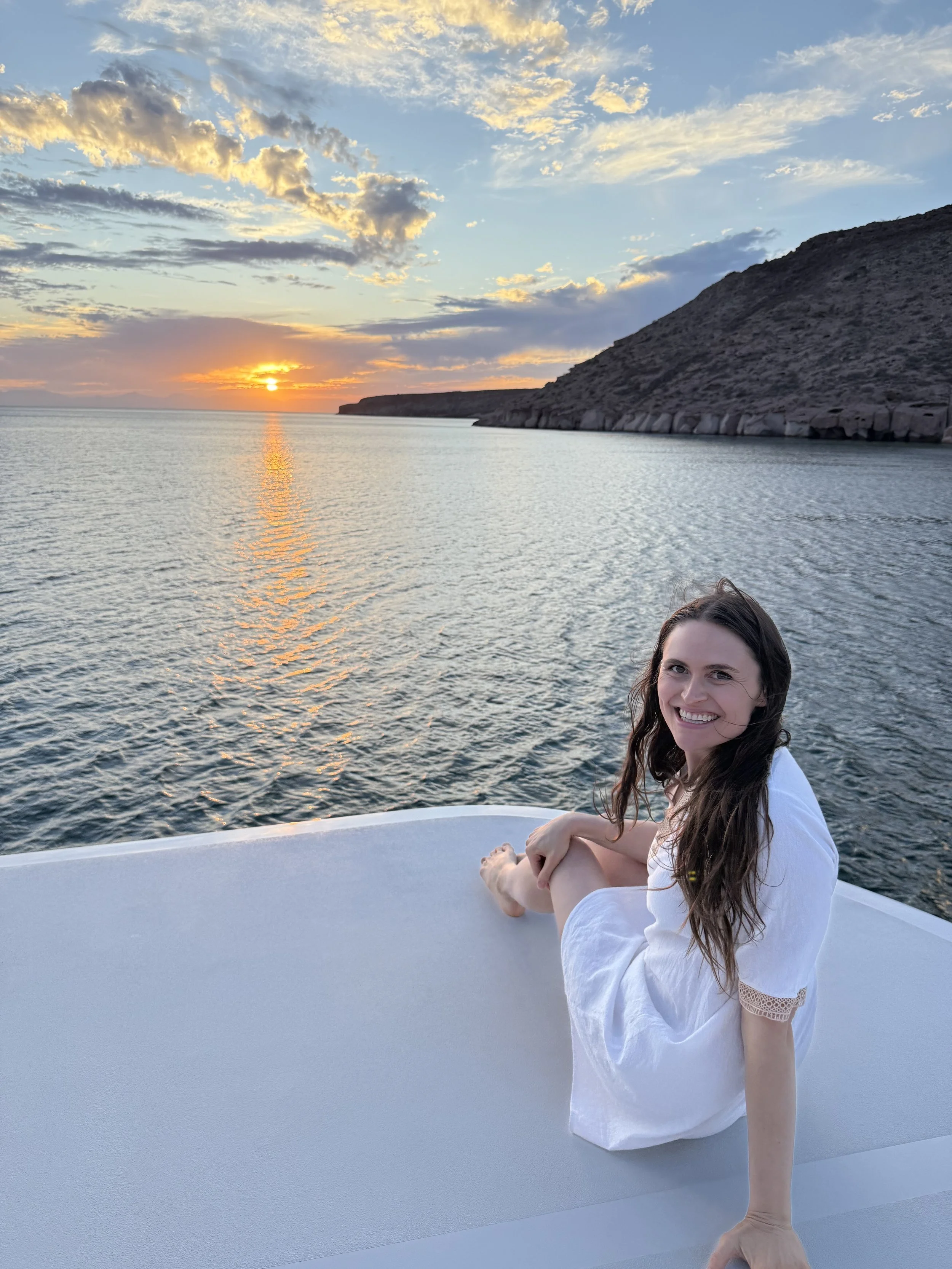
Zaidy Charron, CAAP
Advanced Ayurvedic Practicioner
I am an Advanced Ayurvedic practitioner, Panchakarma technician, herbalist, and yoga teacher with more than a decade of study and practice in holistic health.
I completed the four-year Ayurvedic Practitioner program at Alandi Ayurveda Gurukula, with more than 4,000 hours of education in Ayurvedic medicine, including all 8 branches of Ayurveda, classical herbalism, nutrition, pulse assessment, pathology, and clinical practice. I completed my Panchakarma Technician training in 2021 and graduated from Alandi in 2022.
My approach to Panchakarma is rooted in the understanding that cleansing should never be separated from nourishment. I do not believe in pushing the body through aggressive detoxification or cleansing simply for the sake of cleansing. We prepare carefully, cleanse according to the individual’s constitution and current condition, and give equal importance to rasayana, the process of rebuilding afterward.
Rest and the mind are also central to the way I practice. Healing does not happen through herbs, food, and physical therapies alone. Panchakarma creates an opportunity to quiet the usual demands placed on the body and mind, which is why I place such a strong emphasis on rest, reduced stimulation, contemplative practice, and creating space for the nervous system to settle.